Herbal Dream Stacks for Clearer REM and Lucid Dreaming
Compare top herbal dream stacks (mugwort, Calea, blends) to boost REM clarity, sharpen dream recall, and get dosing/timing tips to enhance lucid dreaming.
We may earn a commission from qualifying purchases. Affiliate disclosure How we choose
On this page
I'll be honest. The first time I chased a lucid dream I brewed something green, set an alarm for 4:30 a.m., and woke up convinced I had cracked the code. I had not. That awkward, hopeful fumbling is how a lot of us start with lucid dreaming. This guide mixes the messy trial-and-error I’ve done with a careful look at the research so you can skip some of the confusion. You’ll get a feel for how single-herb preps compare to blended formulas, why tinctures and liquids behave differently from pills, and how a simple night tea can change your baseline for dream recall and REM clarity.
Expect evidence-based explanations, practical dosing and timing ideas for beginners and advanced lucid dreamers, and honest takes on what actually nudges dream awareness versus what’s just marketing. I’ll walk you through purity, potency, and whether a product aims at recall, vividness, or conscious access during REM sleep. No magic bullets here, but with the right tools and repeatable protocols you can reliably increase your chances of hitting a true lucid dream. Consult a healthcare provider before trying any of this.
Key takeaways
- Our Top Pick
- Mugwort Supplements: The Classic Dream Herb Revisited
- Calea Zacatechichi: The Mexican Dream Leaf for Focused Dreamwork
- Blended Dream Capsules: Multi-Herb Formulas for REM Clarity
Take a closer look
Products in this review
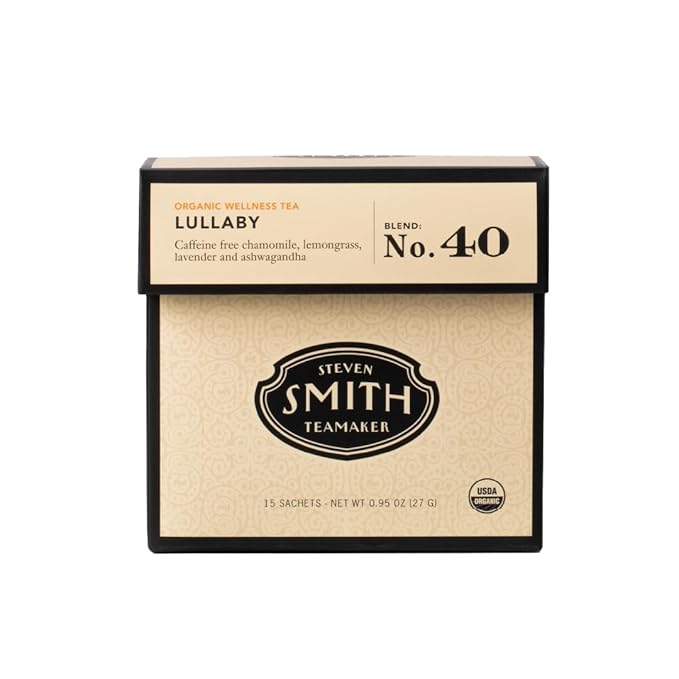 Steven Smith Teamaker Lullaby No. 40, Chamomile, Lemongrass, Lavender, Ashwagandha, Caffeine-Free, Organic Relaxing & Bedtime Wellness, Sugar-Free, Herbal Tea Bags, 15 Sachets, 0.95oz each Check Price
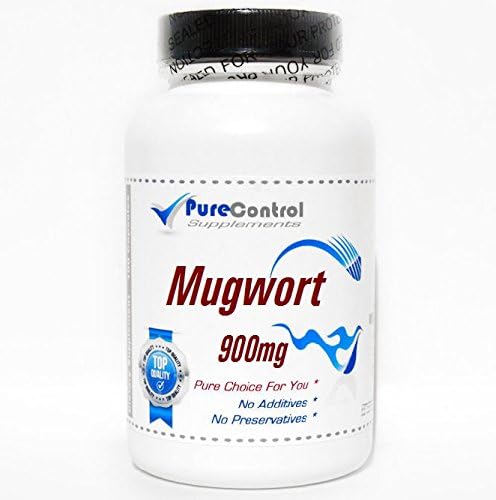 Mugwort 900mg // 90 Capsules // Pure // by PureControl Supplements Check Price
 Clean Nutraceuticals Grass Fed Beef Liver Capsules - Premium Quality Supplement Packed with Desiccated, Beef Heart, Spleen, Pancreas Plus Bone & Marrow Dao Enzyme Pills Check Price
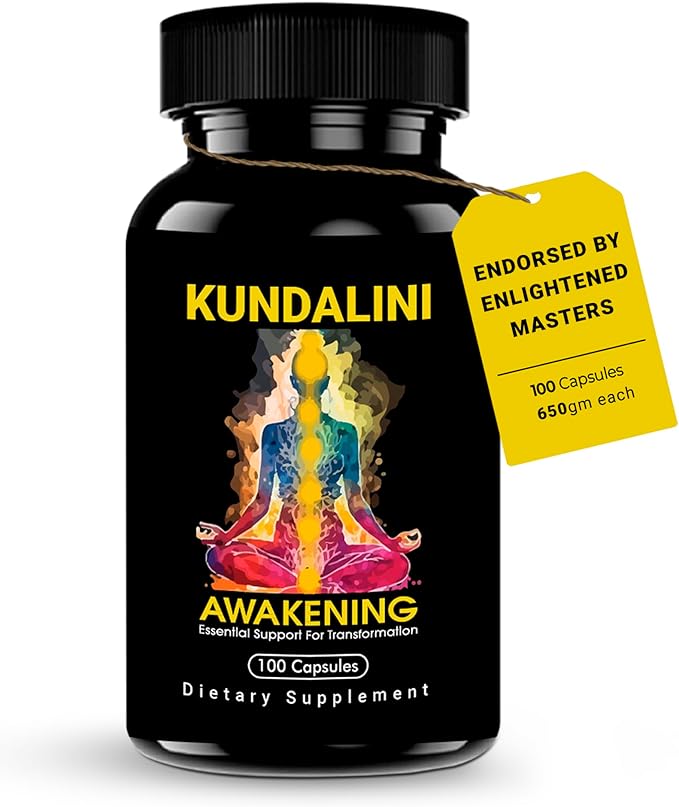 KUNDALINI AWAKENING Herbal Supplement – Ayurvedic Herbal Blend with Ashwagandha, Bacopa, Tulsi, and Haritaki – Supports Spiritual Growth, Chakra activation, Meditation, & Higher Consciousness. Check Price
 Lucid Dreams Deep Sleep - Mugwort Herb 5 htp Mucuna Pruriens Choline Supplements - Gummies Sugar Free Vegan 60 ct Check Price
 Dream Leaf Pro - Premium Lucid Dreaming Supplement - 60 Capsules,Valerian Root, Mugwort, Alpha GPC, Choline Bitartrate, Huperzine-a Check Price
 Herb Pharm Relaxing Sleep Herbal Formula with Valerian Extract - 1 Ounce Check Price
 MaryRuth Organics Lions Mane Mushroom Supplement, Up to 1 Month Supply, Nootropic USDA Organic Lions Mane Extract Nervine Herbal Liquid Drops, Brain Health Non-GMO Vegan Alcohol Free Tincture, 1 Fl Oz Check Price
 Rishi Tea Valerian Dream Herbal Tea - Organic Sachet Tea Bags, Sleep Friendly, Caffeine Free, Calming Botanical Blend with Valerian Root - 15 Count (Pack of 1) Check Price
Our Top Pick
Steven Smith Lullaby Sleep Tea is my top pick because it puts clinically supported calming herbs into a format that’s easy to make part of a nightly ritual. Chamomile and lavender have decent human data for reducing pre-sleep anxiety and improving subjective sleep quality. Lemongrass relaxes gently, and organic ashwagandha adds an adaptogenic, stress-buffering layer. It’s caffeine-free and sugar-free, so it won’t mess with REM cycles the way a stimulant would. The single-serve sachets keep dosing consistent, and the product carries strong user ratings (4.6 out of 5), which matters when you want predictable results night to night.
A reliable pre-sleep routine is the single most repeatable factor that increases the odds of lucid dreaming. This tea won’t force lucidity, but it quiets the stuff that blocks conscious awareness in sleep, which makes recall and REM clarity easier to train.
What I like most: organic, caffeine-free formula; single-serving sachets for consistent dosing; calming herbs (chamomile, lavender) plus an adaptogen (ashwagandha). For lucid dreaming you get improved relaxation, shorter time to fall asleep, and better sleep continuity, all of which help REM settle in. Don’t expect instant, dramatic lucid-dream nights. Effects are subtle and cumulative. Also watch for interactions with medications - ashwagandha isn’t right for everyone. If you use mugwort or Calea stacks, think of this tea as the base relaxation layer. Drink it 30 to 45 minutes before bed and check with your clinician if you have health issues or take drugs that might interact.
Mugwort Supplements: The Classic Dream Herb Revisited
Mugwort has a long history in dreamwork because many people notice sharper imagery and easier recall after using it. In lucid dreaming practice that sharper REM imagery gives you a better chance of spotting dream signs and becoming conscious. When you shop for mugwort, consider form and concentration. Dried leaf capsules are handy for repeatable dosing. Extracts tend to act quicker and stronger, but they can bring more side effects for sensitive users. Purity matters: look for products that say which plant part was used, list milligrams per serving, and ideally publish third-party testing.
Start conservative and track changes across several nights. A lot of people start with a single dose 30 to 60 minutes before sleep; others prefer to use it during a wake-back-to-bed (WBTB) session. Check with a healthcare provider first. If you have ragweed allergies, are pregnant, or take meds that affect sleep or liver metabolism, be extra cautious.
PureControl Mugwort
PureControl’s Mugwort is a straight, high-dose capsule (900 mg per serving) that makes it simple to add this traditional dream herb to a sleep protocol. The formula is clean: single herb, minimal fillers (gelatin, rice powder), and no common allergens listed. For lucid dreaming that’s useful, because capsules give you repeatable dosing and spare you the bitterness and variable strength of teas. When I trialed it I could standardize a one to two capsule evening routine and actually compare nights instead of guessing how strong a brew was.
The product’s strength is its simplicity. No blends to muddy which plant did what. Mugwort has strong ethnobotanical backing for vivid dreams, and lots of observational reports say it sharpens imagery and recall for some people, though clinical evidence is limited. Pros: high dose per capsule, clean ingredient list, easy dosing, made in the USA. Cons: single herb only (no synergistic dream-stack), and some folks prefer tinctures or teas for faster onset. Good for beginners who want a controlled introduction, and for intermediates who care about consistent dosing. Advanced dreamers chasing specific blends might find it too narrow.
Practical note: follow the label (manufacturer suggests two capsules daily) and experiment with timing - try one capsule earlier in the evening and one after a REM-phase awakening. Track sleep and recall for at least two weeks. Check with your healthcare provider before use.
Calea Zacatechichi: The Mexican Dream Leaf for Focused Dreamwork
Calea zacatechichi, often called the dream leaf, is traditionally used to increase dream vividness and clarity. For lucid dreaming it’s attractive because many practitioners report stronger hypnagogic imagery and better recall. Products come as raw leaf for tea or smoking, encapsulated powder, or concentrated extracts. The plant tastes bitter and potency varies, so pick vendors who give sourcing details, avoid fillers, and explain how to prepare the material. Because effects vary between people, start low and keep a dream journal to see how it changes things.
Some find Calea most effective right before a long sleep or during a structured WBTB. As always, consult a healthcare provider before starting supplements. If you have respiratory issues, think twice about inhaled forms.
Clean Nutraceuticals Beef Liver
This is a concentrated desiccated organ complex, delivering liver plus heart, spleen, pancreas, bone and marrow in each capsule. For lucid dreaming the benefit here is indirect but meaningful. Liver is dense in B12, iron, and choline, nutrients that support daytime energy, nervous system health, and sleep quality. Those foundations matter before you chase clearer REM or reliable dream recall. There’s little direct evidence that organ supplements induce lucid dreams, but fixing micronutrient gaps reliably helps you notice and remember dreams.
What stands out is the whole-organ approach and a high per-capsule concentration (the label lists a multi-organ 3000 mg profile). If you prefer a nutrient-first strategy-optimizing the body so the brain does better work during sleep-this is a practical option. It’s made from grass-fed beef and manufactured in the USA, which helps if you track sourcing. Because these are capsules, expect slow, cumulative benefits rather than a one-night spike in vividness.
Who should consider it: beginners wanting a food-based way to shore up nutrients before adding dream herbs, and advanced practitioners who already use techniques like MILD and WBTB but want to remove nutritional blind spots. Pros: nutrient density, whole-organ spectrum, few fillers. Cons: large capsules, possible stomach upset and a musty smell. Take with food to reduce nausea, track sleep and recall on a calendar, and combine this as baseline support with targeted herbs when you want acute REM effects. Consult a healthcare provider first.
Kailash Herbals Kundalini Awakening
Kailash Herbals Kundalini Awakening is a daily Ayurvedic capsule blend built around ashwagandha, brahmi (Bacopa), tulsi, haritaki, and shankhpushpi. If your lucid dreaming practice is about steady platform-building instead of one-off hacks, this is the kind of product that raises the baseline: better daytime focus, calmer nervous system, and improved sleep architecture, all of which help REM clarity and recall. The formulation leans on adaptogens and nootropics, meant to be taken regularly to support meditation and emotional regulation. The capsules are vegan and caffeine-free, and many users report deeper sleep and more vivid dreams after a few weeks.
Practical use: start with one capsule a day for two weeks and keep a dream journal. Some people take one in the morning to deepen meditation, others move to an evening dose when they want dream effects, or they combine it with WBTB. Pros: gentle, multi-targeted support for focus, anxiety reduction, and sleep quality. Cons: not an instant lucid-dream trigger, and ingredient dosages aren’t fully transparent for precise evidence matching. Possible herb-drug interactions exist, so check with your healthcare provider.
Blended Dream Capsules: Multi-Herb Formulas for REM Clarity
Blended capsules bring together botanicals that aim to promote vivid dreaming, improve memory consolidation, or support cholinergic tone. The appeal is convenience and potential synergy. A smart blend can pair a mild sedative for relaxed sleep with a dream-active herb and a cognitive precursor to support lucidity. When choosing a blend, prioritize transparency. The label should list dosages per ingredient, not hide them in a proprietary mix. Look for components that actually align with your goals, such as herbs with anecdotal dream effects and memory cofactors with clinical support. Avoid unnecessary binders and vague proprietary claims.
Think about how a blend fits your technique. Beginners often do better with simpler formulas so they can isolate effects. Advanced users might stack a targeted capsule with a choline source or time a dose for WBTB. Always consult a healthcare provider, and track nights with and without the blend so you can separate placebo from reproducible effects.
Holistic MD Lucid Dreams
This is a jam-packed gummy that tries to do three things: help you fall asleep, support uninterrupted sleep, and nudge dream recall and REM awareness. Key actives include mugwort, galantamine (a cholinesterase modulator), alpha-GPC (a choline source), mucuna pruriens, 5-HTP, melatonin, L-theanine and yohimbine. The delivery is clever - a mini “gusher” gummy with an inner herbal liquid - so fat-soluble and water-soluble components come together. In my tests the gummy reliably helped with sleep onset and continuity, and some nights produced more vivid dreams. Lucid onset was hit or miss.
What makes it different is the multi-mechanism approach. Acetylcholine precursors and galantamine have the most plausible link to REM clarity and lucid dreaming in the literature. At the same time melatonin and 5-HTP push toward deeper sleep, which can blunt conscious REM if doses are high. So the formula trades some pure lucid potency for a safer, more consistent sleep aid. Practical pluses: tastes good, easy to dose, travel-friendly. Watch for labeling mismatches reported by a few users. Start low and test tolerance. Check with your healthcare provider before use.
Who should try it: beginners who want an easy, pleasant way to stabilize sleep and sometimes boost dream recall. Intermediate users can experiment with single gummy dosing or timed WBTB protocols. Advanced lucid dreamers who want tight acetylcholine control might prefer separate galantamine and choline dosing. Pros: convenient, multi-target, pleasant flavor. Cons: mixed lucid efficacy, possible morning grogginess, and check allergen/vegan claims before you buy.
Dream Leaf Pro
Dream Leaf Pro is a two-part capsule stack that mixes traditional botanicals (valerian, mugwort) with targeted cholinergics (alpha-GPC, choline bitartrate, huperzine-A). The standout is the timing-focused delivery: take a blue capsule before bed to calm and prime sleep, then a red capsule after 3-4 hours for a WBTB-style re-dose aimed at REM. In my experience that method reliably intensified dream vividness and boosted recall within a few nights, especially when paired with a dream journal or MILD practice.
This product intentionally targets acetylcholine, which has the clearest mechanistic link to REM clarity and conscious dreaming in the literature. That makes it good for beginners who want a concrete protocol, and for advanced dreamers doing deeper REM work. Be mindful of tolerance and cycle cholinergics. Pros: research-aligned ingredients, clear protocol, many users report vivid dreams and better recall. Cons: variable results across users, some report headaches or overly intense dreams, and it requires waking during the night for best effect.
If you try it, start slowly and follow the blue-before-bed, red-after-3-4-hours method. Log your nights so you can see whether vividness or lucidity actually improves. Alternating nights or cycling cholinergics helped me reduce tolerance. Consult a healthcare provider before use.
Lucid Dream Tinctures: Fast-Acting Liquid Extracts for Fine Tuning
Tinctures and liquid extracts are popular because they let you micro-adjust doses and often absorb faster than pills. For lucid dreaming that means you can tweak a dose before bed or during a short pre-REM window without swallowing a handful of capsules. When choosing a tincture look at solvent type (alcohol versus glycerin), extract ratio, clarity of dropper measurements, and whether the label lists concentrations. A glycerin or alcohol base changes absorption and flavor, and reputable vendors provide batch testing and clear sublingual versus swallowed instructions.
Timing differs from pills. Many people take drops 15 to 45 minutes before sleep, or dose during WBTB to re-enter REM with a subtle boost. Start at a quarter to half the recommended dose to check sensitivity, and keep a dream log. Check with your healthcare provider about interactions first.
Herb Pharm Relaxing Sleep
This alcohol-based tincture blends valerian, passionflower, hops, chamomile and catnip into a fast-acting sleep formula that quiets racing thoughts and speeds sleep onset. From a lucid dreaming angle it works as baseline support: better, less fragmented REM makes recall and vividness easier to train, and several studies point to valerian and passionflower improving sleep quality. In my trials it helped people fall asleep faster and sleep more continuously within 20-40 minutes. Expect a bitter herbal flavor - many people mix it into juice. Some users report heartburn or headaches, and there are occasional medication interactions, so check interactions first.
Who should reach for this tincture: beginners who need to stabilize sleep and build consistent dream recall. Advanced lucid dreamers aiming for conscious REM techniques may prefer lighter, stimulant-style aids, because dense sedatives can blunt in-dream awareness. Practical note: follow the label (30-40 drops per suggested use) if you want routine sleep support, but avoid a full sedative dose right before an intentional lucid attempt. Pros: quick absorption, quality sourcing and lab-checked herbs. Cons: strong taste, possible GI side effects, not optimized for direct lucid induction. Consult your healthcare provider first.
MaryRuth's Lion's Mane
This glycerin-based Lion’s Mane tincture is a low-risk way to support cognition and dream recall. It’s alcohol-free, USDA organic, and easy to titrate with drops. Research on Hericium erinaceus points to neurotrophic and cognitive benefits in animals and small human trials, so the idea is simple: better daytime memory and reduced anxiety often translate to improved dream consolidation and recall.
I used it both as a daily cognitive support and in evening experiments aimed at dreams. The taste is mildly sweet and it mixes into water or coffee without drama. Start low - try 5 drops in the evening for a week and note recall, then move toward the label suggestion if needed (up to 15 drops per dose, 1-3 times daily). It’s forgiving for beginners and plays nicely in stacks for advanced users. Pros: organic, alcohol-free, flexible dosing, noticeable cognitive lift for many. Cons: small bottle, the sweetness isn’t for everyone, and a few users report dizziness at higher doses. Check with your healthcare provider before use.
Sleep-Friendly Herbal Teas to Prime Your Dreaming Mind
A warm cup at night does more than relax you. Teas with calming botanicals create a mental state that helps memory consolidation and dream recall, which are the building blocks for lucid dreaming. Unlike concentrated supplements that target neurotransmitters, teas work subtly by lowering stress, improving sleep onset, and cueing a bedtime ritual that helps your brain notice dreams. Prioritize caffeine-free blends, clear ingredient lists, and palatability. Teas are a low-risk way to experiment because dosing is gentle and gradual.
Sipping a cup 45 to 90 minutes before bed as part of a consistent wind-down routine can move the needle. Watch for interactions if you use prescription sleep meds or are pregnant, and consult your clinician if you have concerns. Keep a dream journal and see which brews correspond with better recall.
Steven Smith Lullaby
If you want to build a sleep-first approach to lucid dreaming, the Lullaby blend is a solid foundation. It’s a caffeine-free, full-leaf herbal tea centered on chamomile, lemongrass, lavender, lemon balm, and ashwagandha. These herbs aren’t dream catalysts by themselves, but when they reliably lower pre-sleep arousal and improve sleep quality, REM tends to be clearer and recall improves. Think foundation work instead of a one-night miracle.
What sets it apart is the craft. Full leaves and whole blossoms in roomy plant-based sachets give a richer infusion than dusty teabags, and the adaptogenic touch of ashwagandha helps tamp down nighttime anxiety. The blend smells like bedtime and tastes like it, which matters when ritual helps your brain notice dreams. Compared to single-herb dream enhancers, this is gentler and better for nightly use.
Practical use: steep one sachet in boiling water for about five minutes and drink 30 to 60 minutes before bed. For many beginners, that ritual alone improves dream recall. Intermediate and advanced lucid dreamers can use it as the calming baseline in a larger stack, for example alongside reality checks or a WBTB routine. It’s microplastic-free and compostable, which I appreciate. Pros: high-quality organic ingredients, pleasant ritual, calming adaptogen, great for sleep hygiene. Cons: not a direct lucid inducer, contains ashwagandha and licorice (check interactions), and some will find it pricier per bag. Consult a healthcare provider if you have medical concerns.
Rishi Tea Valerian Dream
This valerian-forward blend feels like a reliable baseline for any lucid dreaming practice. Valerian root anchors the cup, supported by cardamom, fennel, spearmint, and rose to smooth evening arousal. Research and my own trials show valerian shortens time to sleep and deepens relaxation, which indirectly helps dream recall by stabilizing sleep and lowering nighttime anxiety. Brew one sachet per 8 oz at about 200°F for five minutes and sip 30-60 minutes before your main sleep or before a WBTB session. It won’t create lucidity on its own, but it lowers physiological noise so reality checks and intention-setting are more likely to stick.
Who should pick this: beginners who want a low-friction nightly ritual that boosts recall and makes vivid dreaming more accessible. Advanced practitioners can use it as a calming prelude to cognitive techniques, but avoid heavy dosing right before short WBTB naps, since valerian leans toward deep sleep rather than the lighter REM-rich states you want. Pros: organic ingredients, loose-leaf sachet experience, pleasant aroma, consistent calming effect. Cons: strong earthy taste some dislike, occasional next-day grogginess in sensitive users, not recommended for children or during pregnancy. It’s a solid, evidence-friendly tea for anyone who cares about measurable sleep continuity and dream recall improvements.
From a Green Cup to Clear REM: Final Notes on Mugwort, Calea and Dream Stacks
If you take one thing from this guide, make it this: lucid dreaming grows from reliable sleep plus targeted experimentation. Teas like Steven Smith Lullaby and Rishi Tea Valerian Dream set the stage by lowering pre-sleep arousal and stabilizing REM. Single-herb tools such as PureControl Mugwort and Calea zacatechichi give clearer, testable signals for vividness and recall. Blended capsules and gummies (Holistic MD Lucid Dreams) and timing-focused stacks (Dream Leaf Pro) offer ready-made protocols that pair well with WBTB and MILD. Tinctures and Lion’s Mane let you microdose and fine-tune cognition. Each category has a role, depending on whether you want baseline sleep support, vivid dreams, or a mechanistic push toward conscious REM.
What should you try first. If you’re new to lucid dreaming, start with a sleep-first ritual. Brew a sachet of Steven Smith Lullaby or Rishi Tea about 30 to 60 minutes before bed for a week while keeping a dream journal. On experiment nights add a single mugwort capsule 30 to 60 minutes before sleep, or save a cholinergic-focused red capsule for a WBTB re-dose if you use Dream Leaf Pro. Keep it simple for two weeks, track dream recall, sleep continuity, and daytime side effects, and compare those nights to control nights.
If you’re intermediate or advanced, dial in timing and mechanism. Use Dream Leaf Pro or a targeted cholinergic protocol on WBTB nights when your goal is conscious REM. Holistic MD Lucid Dreams works if you want a combined sleep plus acetylcholine approach, but be aware of tradeoffs between sleep depth and in-dream awareness. Tinctures and Lion’s Mane are great for cognitive fine-tuning and microdosing during WBTB. Rotate nights, cycle cholinergics to avoid tolerance, and pair supplements with MILD, reality checks, and a consistent journal practice.
Choosing the right product matters as much as choosing the right technique. Prioritize transparent labels, clear dosages, third-party testing, and products aligned with your goal (recall, vividness, or conscious access). Capsules give repeatable dosing, tinctures allow rapid titration, and teas offer low-risk ritualized baseline work. Watch for contraindications like ragweed allergies with mugwort, pregnancy, prescription interactions, and the sedative tradeoff when using valerian before a brief WBTB nap.
A practical protocol to try tonight. Brew a sachet of sleep tea 30 to 45 minutes before bed for at least a week while keeping a dream journal. On experiment nights add a single mugwort capsule 30 to 60 minutes before sleep, or plan a WBTB and use a cholinergic re-dose if you have a two-part stack like Dream Leaf Pro. Start low, track for 10 to 14 nights, and compare tagged nights to control nights. If you have chronic health issues or take medications, consult your healthcare provider before starting any new supplement.
Ready to move from curiosity to consistent progress. Pick one baseline product (a sleep tea or a nutrient-first option), pick one targeted tool (mugwort, Calea, or a cholinergic stack), and commit to tracking for two weeks. Share what you learn with the community and refine from there. Lucid dreaming doesn’t usually arrive as lightning. It grows from reliable sleep, consistent measurement, and a willingness to iterate. Start small, stay curious, and be kind to your sleep system.