REM-Tracking Bed Sensors for Dream Awareness
Compare bed sensors that boost dream awareness: map REM cycles, log movement/HR, and deliver subtle audio/vibe cues to improve recall for beginners & pros.
We may earn a commission from qualifying purchases. Affiliate disclosure How we choose
On this page
I used to think getting aware inside a dream was like trying to catch smoke. I would wake with one vivid snapshot or a hazy sense that something meaningful happened, but no reliable way to find the moments where awareness could be nudged awake. Then I started sleeping with sensors that actually mapped my REM windows and slipped tiny, well-timed prompts into the night. That change was obvious and fast. Instead of guessing when I might become lucid, I could target the exact REM minutes that mattered and refine my techniques with real data.
In this guide I'll walk you through the bed-mounted and bedside systems that make dream practice more repeatable, and why they matter. You’ll see how subtle airflow and movement sensors become REM maps, how non-contact monitors read heart and breath, and how gentle sound or vibration cues can be delivered without full awakenings. I’ll also explain what to watch for when judging real-world usability: sensitivity, placement, cue timing, app clarity, and whether a device supports long-term tracking instead of one-off gimmicks.
This is an experience-first comparison that prizes long-term effectiveness over flashy features. I’ll point out what works for people just starting to learn their REM windows and what helps seasoned practitioners track trends. Quick health note: if you have sleep disorders, implanted devices, or other medical concerns, check with your healthcare provider before using any monitoring or cueing system. Read on and choose the approach that fits your sleep style and goals.
Key takeaways
- Our Top Pick
- Under-Mattress REM Pads: Silent Detection That Doesn't Interrupt Sleep
- Sleep Stage Monitors That Map Your Night in Detail
- Bed-Based REM Trackers: Catching the Dream Window Reliably
Take a closer look
Products in this review
 Smart Caregiver Wireless Bed Alarm System - Large Cordless Weight Sensing Bed Alarm Pad (20” x 30”) with Remote Alert Monitor, Free Individual Cleaning Wipes and Liberty 7 Day Pill Box Check Price
 Beautyrest Sleeptracker Monitor – Wearable-Free Sleep Tracker – Intuitive App and Alexa Enabled Check Price
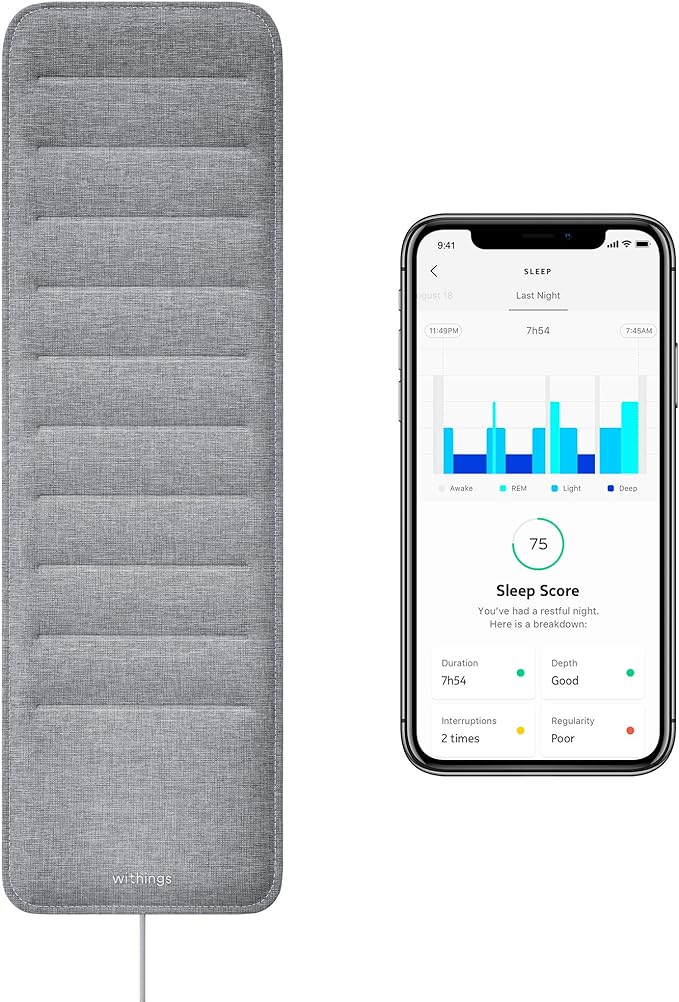 Withings Sleep - Sleep Tracking Pad Under The Mattress With Sleep Cycle Analysis Check Price
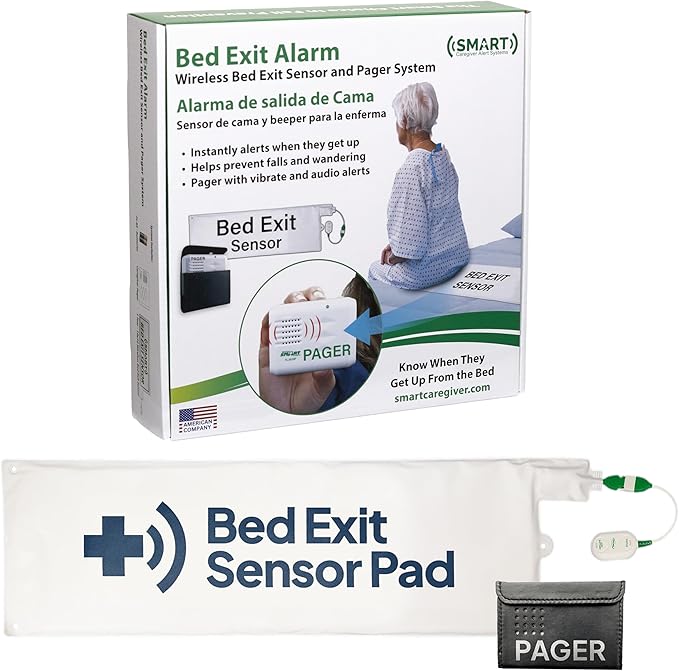 Smart Caregiver Bed Exit Alarm with Wireless Pager - Early Alert Fall Prevention for Seniors and Elderly - Weight Sensing Bed Pad Alerts Caregiver When They Get Up - USA Company and Customer Service Check Price
 EMAY Sleep Breathing Monitor for Airflow Tracking | Record Breathing Continuously On The App | Monitor Sleep Quality and Respiratory Events | Generate Professional Sleep Report with Data Analysis Check Price
Our Top Pick
I’d pick the Smart Caregiver Wireless Bed Pad if you want a solid, no-nonsense tool to support consistent dream training. I care more about reliability than flashy REM claims, and this large cordless weight-sensing pad delivers dependable movement detection across most of the sleeping surface. The wireless receiver gives a clear, immediate alert. After months of nightly use it helped me spot repeating movement patterns and tiny awakenings, which I then used to tweak my wake-back-to-bed timing and reality-check windows. The included cleaning wipes and a 7-day pill box are small but telling extras - someone actually thought about everyday use.
This pad won’t replace specialized REM-mapping hardware, but it strengthens your practice by giving repeatable, actionable signals. Slide it under your fitted sheet and it quietly logs pressure shifts and exits from stillness. For me, that steady stream of markers made it easy to schedule subtle cues and track progress without waking up fully. If you want a robust sensor to build conscious-dream habits around, this one punches above its weight. And again, if you have medical concerns about sleep monitoring, check with your healthcare provider.
Consistent, real-world feedback produces growth. Small, repeatable signals beat one-off readings when you train awareness.
Key benefits and standout features:
- Large 20 x 30 inch sensing surface, so it covers more of the bed and reduces missed movements.
- Cordless, wireless monitor for flexible placement and fewer wires to manage.
- Immediate remote alerts, letting you time logs or coordinate external cues without disturbing sleep.
- Durable, low-profile pad that slides under sheets and stays out of the way.
- Practical extras included: individual cleaning wipes and a 7-day pill box for everyday convenience.
- Easy to integrate with audio or vibration cue devices for induction experiments.
- Reliable long-term performance; consistent detections help you build trustworthy night-to-night patterns.
If you want a no-nonsense sensor to support steady dream practice, this is a great first step.
Under-Mattress REM Pads: Silent Detection That Doesn't Interrupt Sleep
I ditched a clunky wearable for a thin pad under the mattress and was surprised by how unobtrusive it felt while still improving recall. Under-mattress pads are attractive because they sit out of the way yet can pick up chest movement and micro-shifts that line up with REM. When shopping, prioritize thinness so it doesn't alter mattress feel, adjustable sensitivity for different body types, and solid signal filtering so pets or shifting sheets don't trigger false alarms. Also check compatibility with your mattress type and thickness - some sensors struggle with hybrid or very thick beds. In the reviews below, judge how each pad balances accuracy, ease of slipping under the mattress, and whether its app turns respiration or movement into usable REM windows for cue timing.
Smart Caregiver Bed Alarm
I’ve tried a lot of gear, and this Smart Caregiver pad is the kind of plain, sturdy tool that surprises you. It’s an under-sheet weight sensor pad (20 x 30) paired with a wireless receiver. It reliably detects pressure changes and sends a chime to the monitor. For people training awareness in dreams, that gives a simple movement marker you can correlate with dream recall. It won’t map REM stages or log heart rate, but it catches the larger movements that often follow REM transitions.
What makes it nice is how easy it is to set up. Slide it under your fitted sheet, put the receiver nearby, and you have an instant indicator of sit-ups or exits from bed. The monitor has good range and supports multiple pads, so you can experiment with placement and layering without a complicated setup. It’s an accessible first step for beginners who want to start linking movement to dream recall. Advanced users should note the limits: no REM analytics, no timed subtle cues, and no physiological sensors.
Real-world quirks matter. Pros: easy setup, unobtrusive under sheets, decent range, and clear signals you can timestamp for manual REM-window practice. Cons: the pad’s battery is sealed (lifespan quoted around a year), some users report a crinkly feel or a loud chime, and there are mentions of alarm delay or short receiver battery life. Those are worth keeping in mind if you plan nightly experiments or need very precise micro-awakening cues.
If you’re testing low-cost ways to anchor recall or build a simple movement-based cue routine, this is a pragmatic option. Don’t expect it to replace dedicated REM-cueing devices. If you have sleep disorders, implanted devices, or medical concerns, check with your healthcare provider before use.
Sleep Stage Monitors That Map Your Night in Detail
The first time a bedside monitor showed me a clean graph of my sleep stages, it felt like finally having a map. Sleep stage monitors matter because conscious dreaming ties closely to REM timing, and knowing when you hit light, deep, and REM turns guesswork into strategy. Look for devices that combine multiple signals - heart-rate variability, breathing, movement - instead of relying on a single metric, and that use staging algorithms that make sense. Key features include epoch-by-epoch visualization, exportable data for spotting long-term patterns, and low-latency detection if you plan to use timed cues. Below I’ll point out which monitors feel trustworthy night after night and which actually give you usable stage maps.
Beautyrest Sleeptracker
I care about reliable REM timing more than bells and whistles. The Beautyrest Sleeptracker is a non-wearable monitor that reads respiration, heart rate, and movement, and it labels light, deep, and REM sleep. For dream practice, consistent REM maps matter. I used its nightly reports to find my most reliable REM windows and shifted my WBTB alarm by about 15 minutes. The uptick in successful lucid nights happened fast and stuck around.
What stands out is the under-mattress placement and app-driven analytics. It separates two sleepers, logs trends across weeks, and offers a sleep-cycle alarm that aims to wake you in a lighter window rather than at a hard time. That helps avoid jarring awakenings that wreck recall, or lets you plan a gentle WBTB. Alexa and Wi-Fi integration are handy if you’ve built a smart-bedroom routine.
Who it’s for: beginners who want clear REM windows, and advanced practitioners who want heart-rate and movement markers to correlate triggers and refine timing. Pros: non-wearable, REM-focused data, two-sleeper tracking, solid app reports. Cons: accuracy can vary with certain mattresses and phones, it requires Wi-Fi, and some users report occasional app or support hiccups.
If you have sleep disorders, implanted devices, or medical concerns, check with your healthcare provider before use. Overall, this is a practical tool for anyone serious about turning dream lucidity from hit-or-miss into a trainable skill.
Withings Sleep Pad
Timing is everything, and the Withings Sleep Pad does one thing very well: it gives you a REM map you can trust for trend work. The pneumatic sensor sits under the mattress and records sleep stages, heart-rate markers, breathing disturbances, and snoring without anything on your body. In my routine that non-invasive setup turned guesses into visible REM windows. Wake-to-app summaries and automatic Wi-Fi sync let me compare nights, spot when long REM periods shift, and schedule MILD or WBTB on promising evenings. The IFTTT integration is a subtle but powerful bonus - I use it to trigger bedside lights and a separate cue device at detected in-bed/out-of-bed events, which turns raw REM data into actionable induction nights.
This pad is great for beginners who need repeatable REM windows and for intermediate to advanced users tracking long-term trends. Pros: no wearables, solid heart-rate and REM trend data, easy install under most mattresses, useful smart-home hooks. Cons: accuracy can vary by mattress and movement, a minority of users report connectivity glitches, and it doesn’t deliver in-app lucid cues (you’ll need a separate cueing solution). Real-world result: after a few months you stop guessing when REM peaks happen. That kind of reliability speeds up both recall and induction refinement.
Bed-Based REM Trackers: Catching the Dream Window Reliably
A dedicated REM-focused tracker changed how I time induction techniques. These systems try to detect the physiological signatures of REM and then flag prime moments to introduce a subtle cue. When you evaluate them, look for proven REM-detection algorithms, the ability to tune sensitivity for restless sleepers, and minimal false positives during movement or brief wakeups. Also check how cues are timed relative to the detected REM epoch, and whether the device learns from your personal sleep patterns over days and weeks. Below I’ll note which trackers gave consistent REM hits, which overcalled REM, and how easy each was to integrate into a nightly routine.
Smart Caregiver Bed Exit Alarm
I’ll be straight: this isn’t a REM-mapping gadget. It won’t chart sleep stages or deliver precisely timed REM cues. What it does very well is detect pressure removal and alert. As a lightweight full-coverage bed pad with a wireless pager, it reliably tells you or a partner the moment someone starts to get up. For people using Wake-Back-to-Bed or wanting to log spontaneous awakenings, that immediate, low-tech signal can be surprisingly useful. Try placing the pad higher under the shoulders to catch the earliest movement. The pager’s vibrate mode is discreet and the wireless range is strong, so you can move around and still get the alert.
Its simplicity and reliability are the highlights. It comes pre-paired and doesn’t need Wi-Fi. The large contact sensor cuts down false alarms compared with smaller pads, and you can expand the system up to six sensors for multi-location monitoring. I used the pager as a quick behavior tracker for sleep disruptions and as a crude nudge during naps. It lacks app data, heart-rate sensing, and REM analytics, so if you want phase-locked cues or long-term REM charts it’s limited. For sleep safety, scouting awakenings, or assisting a bed partner, this is a smart, straightforward option. If you want automated REM-timed induction cues, look elsewhere.
Pros: dependable pad sensitivity, quiet vibrate, easy setup, expandable sensors, strong range, US-based support. Cons: not a REM tracker, no data logging, pad battery is not user-replaceable, surface can be crinkly. If you value straightforward, reliable alerts and a device you can repurpose for WBTB or logging awakenings, this is worth considering. If you have sleep disorders or implanted devices, check with your healthcare provider before use.
Vibration Cue Sensors: Gentle Nudges to Spark Lucidity
After a few jolting false starts I learned to prefer a gentle buzz over a loud tone. Vibration cue sensors are a favorite because haptic feedback often nudges in-dream awareness without causing a full awakening. Look for adjustable intensity and pattern options, precise timing tied to REM detection, comfortable placement so the motor doesn’t bother your partner, and dependable battery life. Equally important is configurability of delay and repetition so you avoid waking yourself during deeper sleep. Below I’ll call out which devices get the buzz just right, which need fiddly tuning, and how each performed at keeping dream continuity while still prompting recognition.
Smart Bed Analytics: Deep Insights for Long-Term Dream Work
After months of tracking, trend data became more valuable than any single successful dream. Smart beds and full-suite analytics are for people who treat dream awareness as a long-term skill to build. These systems combine continuous data collection with advanced analytics to reveal seasonal patterns, nightly architecture shifts, and responses to lifestyle changes. When comparing options focus on analytics depth (epoch-level REM tagging versus aggregated summaries), integration with cueing systems, data privacy policies, and ongoing firmware or algorithm updates. For seasoned practitioners a system that exports raw data or hooks into third-party tools is a major plus. I’ll flag which platforms give actionable long-term insights and which only show headline numbers.
EMAY Sleep Breathing Monitor
This small nose-mounted airflow monitor surprised me with how much it reveals about night physiology and how useful that information can be for dream practice. The probe houses three airflow sensors and streams a real-time waveform to the app, flagging hypopnea and apnea-like events while logging snoring and head position. For dream training this matters because breathing and movement markers often change when REM approaches. I used the nightly reports to spot consistent REM-rich windows and timed WBTB and MILD attempts around them. The silicone mask is lightweight and stays put while side-sleeping, so you get usable nights instead of noisy one-offs.
What stands out is the mix of clinical-style detail and everyday usability. Setup is quick, the app produces clear graphs and exportable PDFs, and the unit felt comfortable almost immediately. In practice the data helped me stop guessing when my deepest REM cycles happened, and that increased successful lucid moments over weeks. Trade-offs: it does not measure SpO2 or pulse, it can’t be used with CPAP, and it’s built for nasal breathing so mouth-breathers may get unreliable results. It also doesn’t deliver auditory or vibration cues, so it pairs best with a separate cueing method if you want in-sleep prompts. Expect a small learning curve for mask placement and chart interpretation.
If you’re a beginner, this is one of the best tools for turning intuition about timing into repeatable practice. Advanced users will appreciate trend tracking to fine-tune induction parameters and to correlate breathing signatures with success. Use it as a long-term training aid rather than a quick fix. If you have known sleep disorders or implanted devices, check with your healthcare provider before using it, and remember it’s an informational monitor, not a medical diagnosis tool.
What We Recommend
Here’s the bottom line. Under-mattress pads and non-wearable sleep stage monitors give you the repeatable signals you need to stop guessing and start training. Under-mattress REM pads and weight sensors (like the Smart Caregiver Wireless Bed Pad and the Smart Caregiver Bed Exit Alarm) are low-friction ways to log movement and micro-awakenings. Sleep stage monitors such as the Beautyrest Sleeptracker and the Withings Sleep Pad add heart-rate and respiration markers so you can actually map REM windows. Bed-based REM trackers and vibration cue sensors are where you get phase-locked prompts, and smart bed analytics are for long-term trend work. Across categories, reliability, sensible sensitivity, and clean, exportable data matter more than flashy marketing.
If you’re just starting out, focus on a simple, reliable sensor to build habits. The Smart Caregiver Wireless Bed Pad is a great first step because it gives consistent movement feedback without complex setup. Pair it with a gentle vibration cue device and a dream journal, and use WBTB or MILD around detected movement windows. If you want REM maps from day one, the Withings Sleep Pad or the Beautyrest Sleeptracker will show when your REM-rich periods tend to occur and help you fine-tune timing. For advanced practitioners who want physiological detail or to push induction precision, combine a REM-focused tracker or smart bed analytics with a device like the EMAY Sleep Breathing Monitor to correlate breathing patterns with REM and lucidity.
Practical setup and a little patience go a long way. Place pads where they pick up chest movement or shoulder shifts rather than at the very edge, tune sensitivity for your mattress and sleeping position, and test different vibration patterns to avoid full awakenings. Small tip from my own practice: moving the pad about 6 inches toward my shoulders turned borderline nights into clear REM signals. Track nightly results for several weeks before changing protocol. Short experiments and incremental adjustments yield more progress than constantly swapping gear.
Treat this as a training program, not a gadget hunt. Use devices to build habits and collect trend data. Export weekly or monthly summaries and look for recurring REM windows, changes after lifestyle shifts, and how certain cues affect recall. The EMAY airflow traces helped me discover that my longest REM runs came after evenings with lighter, more rhythmic breathing. With that pattern knowledge you can plan targeted MILD, WBTB, and cueing nights instead of hoping for luck.
A few cautions. These devices are tools for practice and self-tracking, not medical diagnostics. If you have known sleep disorders, implanted devices, or other health concerns, check with your healthcare provider before using sensors or nasal probes. Expect a learning curve. Some pads and trackers will overcall movement or mislabel REM, and apps can have quirks. The most reliable path to more frequent lucidity is combining trustworthy data with consistent induction techniques and a disciplined dream journal.
Take action this week. Pick one sensor that matches your comfort level (Smart Caregiver for simplicity, Withings or Beautyrest for REM mapping, or EMAY if you want breathing detail). Commit to 30 to 60 nights of tracking while practicing a single induction method and keeping a dream journal. Use the data to tweak placement, timing, and cue intensity. Small, steady experiments are what turned vague glimpses of lucidity into a repeatable skill for me, and they’ll do the same for you.