Wearable EEG Headbands for Lucid Dreaming
Hands-on reviews of wearable EEG headbands that cue REM transitions, sharpen dream awareness, and boost lucid dreaming, with practical tips for routines and journals.
We may earn a commission from qualifying purchases. Affiliate disclosure How we choose
On this page
So many nights I wake up with a single bright thread from whatever strange play my mind was running - a color, a laugh, a door - and the rest evaporates. That little sting of “what was that?” is what made me start sleeping with sensors. I wanted to catch the moment my attention slips into dream space instead of always arriving after the curtain falls.
This guide is the stuff I learned from wearing these headbands for weeks: practical tips, what actually helps your dream lucidity, and a gentle roadmap for using wearable feedback to notice REM transitions, sharpen recall, and make conscious dreaming a steady, repeatable skill instead of a lucky fluke.
You’ll read about bands that listen to the brain as you sink in, cues that tap the edge of REM, and systems that coach you night after night. I care more about comfort, subtlety, and reliability than flashy one-off results. The point isn’t to blast yourself awake with a siren. It’s to create conditions where lucidity grows naturally - elegant and repeatable. I’ll call out what worked, what felt intrusive, and which designs support a sustained thread of awareness rather than momentary jolts.
If you value quality over fireworks, keep reading. I’ll explain which features actually matter in practice, how to pair a device with reality checks and a dream journal, and what to expect in week one vs week six. Bring an open mind and a soft headband. The rest is about listening, responding, and gently widening the doorway into self-aware dreaming.
Key takeaways
- Our Top Pick
- Wearable EEG Headbands That Bring Mindfulness Into Sleep
- Sleep-Worn Brainwave Headbands That Cue REM Gently
- Smart Sleep Trainers That Turn Signals Into Skill
Take a closer look
Products in this review
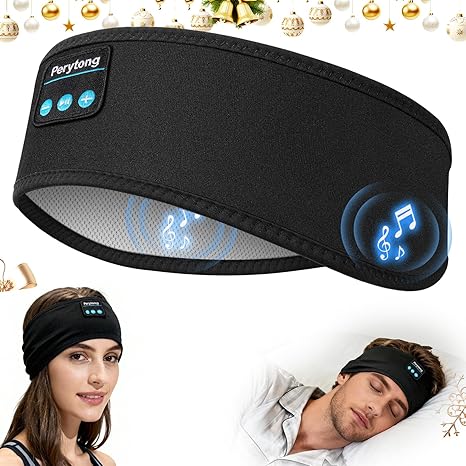 Perytong Sleep Headphones Bluetooth 5.4 Headband, Sleep Headband Headphones for Side Sleepers, Built-in HD Stereo Speakers & Long-Lasting Time Battery, Sports Headband Music Earphones for Nap Check Price
 Flowtime: Biosensing Meditation Headband - Brain Tracker for Neurofeedback Training at Home - Heart Rate, Breath, HRV, Stress, Flow, Alpha, Theta, Beta, Gamma Wave Breakdowns Check Price
 Meditation Headband, EEG Biofeedback Devices, Real-Time Visual and Auditory Feedback for Neurofeedback Training, Brainwave Monitor | Measures Alpha, Beta, Gamma, Theta, Delta and SMR Brain Waves Check Price
 MUSE 2: The Brain Sensing Headband - EEG MUSE Headband Meditation Tracker and Monitor - Multi Sensor Biofeedback Devices for Home Use with Responsive Sound Feedback Guidance - Neurofeedback Devices Check Price
 LC-dolida Sleep Headphones Headband Bluetooth 5.4, Headband Earphones Wireless with USB C Charge Port, Sleep Mask for Sleeping, Sports, Gifts, Workout, Jogging, Yoga, Insomnia, Air Travel, Meditation Check Price
 MUSICOZY Sleep Headphones Bluetooth 5.4 Headband, Wireless Earphones Sweat Resistant Earbuds with Ultra-Thin HD Stereo Speaker for Workout Running(Tie-dye Pink) Check Price
Our Top Pick
I recommend the Perytong Sleep Headband because it nails the one thing that matters most for me: comfort plus usefulness. The fabric is low-profile and soft, and the flat HD speakers sit so flush you can sleep on your side without noticing them. For anyone trying to build dream lucidity, staying physically comfortable is huge - it keeps the body relaxed while your awareness does its work.
Tech-wise it’s solid. Bluetooth 5.4 keeps connections steady, the battery lasts a long time so guided meditations, binaural tones, or quiet reality-check cues can run through naps and full nights, and the washable fabric makes it easy to keep wearing it every day. Use it to play subtle audio prompts before sleep and to nudge intention during expected REM windows. It pairs beautifully with a dream journal, routine reality checks, and REM-optimization habits so your practice becomes persistent rather than occasional.
Key benefits and standout features
- Comfortable for side sleepers. Thin profile and soft fabric prevent ear or head pressure.
- Clear sound from built-in HD stereo speakers. Audio stays rich without leaking harsh vibrations into sleep.
- Bluetooth 5.4. Fast pairing and stable connection with phones and sleep devices.
- Long-lasting battery. Keeps guided meditations and sleep sounds running through naps and longer rest.
- Lightweight and washable fabric. Maintains hygiene and daily wearability.
- Multipurpose. Great for naps, sleep practice, yoga nidra, or gentle wake cues for lucid recall.
- Well-rated by users (4.2/5.0). Many report better sleep comfort and reliable audio performance.
A reliable, comfortable audio anchor helps move intention into lived experience. Use this headband to hold your practice gently through the night.
Wearable EEG Headbands That Bring Mindfulness Into Sleep
There’s something quietly magical about a soft band that reads the rise and fall of your mind. Wearable EEG headbands matter because they turn electrical patterns into moments you can act on. For dream lucidity practice this means a device can detect when your brain is drifting into REM-related frequencies and cue you at the right edge, rather than shouting across the house in the dark.
Fit and sensor contact matter as much as raw specs. A band that slips or irritates will wreck your night faster than an imperfect algorithm ever will. Look for comfortable materials, adjustable tension, and sensors that touch the forehead reliably without messy gels. Think about latency (how fast the cue arrives), how the device signals you, and whether the data it shows helps your practice or just overwhelms you.
Below I test these bands for how they feel on my skin, how well their cues line up with REM episodes, and whether the apps translate raw signals into usable learning. Expect notes on battery, sleep disturbance, and whether the headband feels like a gentle coach or an annoying alarm. The right fit can turn nightly practice into a meditation that continues into dream space.
Flowtime Headband
I started wearing Flowtime like a tiny bedside partner. It gives real-time EEG feedback across alpha, theta, beta, and gamma bands, plus heart rate and HRV, so you can actually feel when things are tilting from wake to dream. The minute-by-minute biodata and customizable cueing (multiple metrics, sounds, and intervals) let you place soft prompts right at the REM edge without blasting you awake. For people who want quality over spectacle, that subtlety matters.
The band is featherlight on my forehead and the app’s visualizations made it easy to spot which nights produced better recall. When I paired it with reality checks and a nightly dream journal my recall sharpened in a few weeks and lucidity felt like a reliable skill instead of a rare prize.
It’s not perfect. Connectivity and app polish vary, and it relies on Bluetooth so if you need full offline control or avoid wireless signals, be careful. Battery life is solid when it behaves, and the amount of data you get is impressive for the price.
Pros: comfortable fit, rich brainwave breakdowns, HRV tracking, customizable cues.
Cons: occasional app or Bluetooth dropouts, some privacy/EMF concerns reported, learning curve to interpret charts.
Overall, Flowtime is a thoughtful pick for beginners noticing REM transitions and advanced users refining cue timing. It helped me create steadier lucidity through gentle, repeatable practice.
SereniBrain Headband
This one feels like a soft crown when I want to bring waking awareness into the dream world. SereniBrain’s EEG sensors include SMR and gamma bands, and the hydrogel electrodes sit gently on the forehead. Its real-time visual and auditory cues are subtle, more like a polite tap on the shoulder than an alarm, and that’s exactly what I want when I’m trying to notice the boundary between waking and dreaming.
The app gives fine-grained brainwave timing, you can run guided sessions or your own audio, export sessions for review, and the battery can handle up to eight hours for overnight practice. It even has group meditation and practice reports if you like a bit of community accountability.
Who this suits: beginners will like the guided meditations and clear feedback; advanced practitioners will appreciate the SMR reporting and exportable data for fine-tuning REM-optimization routines. In my experience, dream recall often improves in week one and lucidity becomes noticeably steadier by week six with regular use.
Pros: comfortable fit, real-time cues, no subscription, detailed EEG bands.
Cons: occasional connectivity or functionality hiccups, hydrogel pads need replacement over time, small learning curve to read the data.
If you want a practical, patient tool to cultivate steady, high-quality lucidity, SereniBrain is worth a try.
Sleep-Worn Brainwave Headbands That Cue REM Gently
Subtlety is everything here. The best sleep-worn headbands sense transitions and nudge you at the edge of dreaming without ripping you out of the experience. When a cue is timed and toned well, it doesn’t interrupt - it invites recognition inside the dream, which sharpens awareness and improves recall.
When you evaluate these, look at how REM is detected and how cues are delivered. Does the device adapt to you, or use fixed rules? Can you customize intensity and modality so a soft vibration or low-volume hum becomes a familiar signal in dreams? Also watch for false positives and whether the app offers sensible night-to-night calibration.
Below I compare which models balance sensitivity with sleep preservation, which are best for side sleepers, which cues tend to integrate into dream content, and which need more fiddling. The best devices feel like a gentle hand on the shoulder at just the right moment.
MUSE 2 Headband
I use Muse 2 like a halo that listens. Its EEG sensors and responsive soundscapes translate subtle brain shifts into calming feedback. Practically, that means low, non-jarring audio nudges that can mark REM edges without yanking you awake. The app returns calm scores, sleep staging, breath and heart data so you can spot patterns instead of guessing.
For dream lucidity work it’s a subtle, steady coach. Nightly wear helped me spot REM transitions and build the habit of noticing the doorway. Paired with reality checks and a dream journal I saw recall deepen within a week and lucidity density grow over several weeks. Muse 2 doubles as a daytime meditation tool, which makes it easy to carry mindfulness practices into the night.
Who it fits: beginners get concrete feedback on what a calm, receptive mind feels like; advanced users can use the EEG detail and Biofeedback+ options to refine timing and stabilization techniques. The sensing feels research-grade in a consumer band, and the app ecosystem is thoughtfully done. Note: the full insights can sit behind a subscription.
Pros: accurate sensors, comfortable fit, clear feedback loop, great for habit-building.
Cons: occasional Bluetooth hiccups, some durability concerns reported, subscription for full features.
Smart Sleep Trainers That Turn Signals Into Skill
A smart trainer is more than a sensor - it’s a small teacher. These devices blend neurofeedback, guided training, and nightly data so you move from hoping for a lucid dream to reliably producing one. Trainers don’t just cue you; they give progressive exercises, assessments, and tools that extend daytime mindfulness into the dream state.
When you pick a trainer, look at the quality of the program, how clear the feedback is, and whether the insights are actionable. Are you getting raw graphs or real guidance? Are there progressive exercises that teach you to spot micro-awakenings, perform reality checks, and anchor intention? Also check that it respects sleep architecture and doesn’t become a disruptive intervention.
I favor trainers that behave like patient teachers: clear, incremental, and supportive. Below I focus on the learning curve, whether the guided practices translate into in-dream awareness, and which combos of hardware and coaching seem to produce meaningful, sustainable gains.
LC-dolida Sleep Headband
This headband is built for quiet, nightly practice. The thin, sewn-in speakers sit almost flush with the fabric so side sleepers can rest without pressure, Bluetooth 5.4 provides stable streaming, and the claimed 15-hour play time means you can run an induction, binaural track, or low-volume reminder audio without recharging every night. The fabric blocks light and is washable.
It’s not a brain sensor. Think of it as an excellent audio platform: set short cues for naps, run reality-check prompts on a timer, or play theta-range tracks to guide entry to REM. The thin speakers maintain ambience without stabbing your ears, which matters more than you think - small sensory touches change whether a cue becomes part of the dream or a rude wake-up.
Who should buy: beginners and intermediate dreamers who want comfort and reliable audio for nightly practice. Advanced users can use it as a timed audio tool, but if you need phase-locked cues get an EEG trainer.
Pros: comfort for side-sleepers, built-in mic for calls, easy pairing, washable design.
Cons: mixed reports about fit and long-term battery durability. Some nights you’ll fiddle with placement so the speakers sit right.
Practical tips: keep volume low so cues slip into hypnagogia rather than waking you. Pair it with a dream journal and brief reality-check routines. Week one is for tuning placement and volume. By week six, with consistent use, expect steadier recall and smoother transitions.
MUSICOZY Sleep Headband
I treat this one like a comfortable meditation cushion for my head. Breathable, stretchy fabric, flatter speakers than earbuds, and a forgiving fit make it great when you roll onto your side. The removable speakers and washable band are practical details I appreciate, and the battery life is long enough to trust for multi-night experiments.
Use it for nightly rituals: guided meditations, gentle binaural tracks, or quiet reality-check prompts that escort you into sleep without jarring awakenings. Remember, there’s no EEG or automatic REM timing here. It’s an audio anchor, not a brain scanner. Pair it with a dream journal, reality checks, and REM-optimization habits.
Who it suits: beginners and intermediate practitioners who want a low-friction way to hold intention with sound. Travelers and side sleepers who dislike in-ear devices will like the fit. Advanced lucid dreamers can use it as an auxiliary timed audio tool, but for phase-locked cueing choose EEG.
Pros: soft, washable, long playtime, decent sound, comfortable for side sleepers, multipurpose for exercise and sleep rituals.
Cons: can feel warm in hot weather, speakers may shift when tossing and turning, Bluetooth reliability is mixed in some reports.
Perytong Sleep Headband
I slipped this on one evening and it felt like a ribbon of dusk across my ears. The ultra-thin speakers sit gently so side sleeping isn’t a problem, and the breathable, washable fabric keeps skin calm. For dream lucidity practice this is a pragmatic, unobtrusive tool: use it for low-volume reality-check prompts, guided MILD meditations, or quiet binaural tracks as you drift toward REM. Bluetooth 5.4 keeps things connected and the long battery life means several nights of practice go uninterrupted.
This is a comfort-first audio band, not a REM detector. You’ll want a sleep-timer app or separate tracker if you need precise REM targeting. What matters here is the blend of comfort and subtlety - you keep a soft somatic anchor while the audio does the cueing.
Who will like it: beginners for the comfort and easy pairing; intermediates and advanced users for the long battery and removable speakers.
Pros: very comfortable for side sleepers, good sound for guided practice, washable fabric, long battery life.
Cons: control module can press if positioned poorly, may shift on very restless sleepers, no built-in REM detection.
If you care about repeatable gains and waking up feeling whole, this headband is a quiet ally.
FAQ
My headband’s cues wake me up instead of helping me become lucid - how do I stop being jolted awake?
Problem: The cue feels like a shove - you’re pulled out of REM instead of slipping into lucid awareness.
Solution: Soften the signal. Turn volume or vibration down, swap a sharp tone for a low, sustained hum or a whispered voice, and shorten cue duration. Move the cue slightly earlier or later in the detected REM window and try a different modality (vibration instead of sound or vice versa). Rehearse your intention with a short MILD or anchoring breath before sleep so the cue has familiar context. Tweak a little bit each night and you’ll usually find a sweet spot where cues register without breaking the dream.
The device seems to miss REM or cues feel out of sync - what can I do to improve accuracy?
Problem: Cues arrive at the wrong moment or the device seems blind to REM transitions.
Solution: Start with sensor contact and calibration. Make sure the band sits snugly (adjust straps, reposition pads), replace dried hydrogel pads, and clean oil or hair from electrode sites. Run any manufacturer calibration or “learning” nights and keep firmware and the app updated. Reduce ambient electrical noise (move Wi-Fi routers or large metal objects away). If the device has adaptive thresholds, give it several nights to learn your patterns and lower sensitivity rather than maxing it out to avoid false positives. If the model is audio-only, pair it with a REM-window timer or an external sleep tracker for tighter targeting. Use a dream journal so you can line up cues with actual REM events.
My band keeps disconnecting, the battery dies mid-night, or the app crashes - how can I make the system more reliable?
Problem: Connectivity, power, or software instability ruins the practice.
Solution: Treat the setup like a ritual. Fully charge the device before bed and, if helpful, put your phone in airplane mode with Bluetooth on to reduce interference. Turn off aggressive battery savers that kill background apps. Keep your phone on the bedside table (not in a drawer) and close other Bluetooth devices that might pair accidentally. Clear the app cache, update app and firmware, and reinstall the app if crashes persist. Use offline/timer modes when available. If the battery is flaky, cycle a few full charges and contact support about defects. Finally, always keep a simple backup: an audio-only headband, a sleep-timer app, or a pen-and-journal by the bed so your practice survives tech hiccups.
Key Takeaways
Different headband styles support different kinds of practice. EEG devices like Flowtime, SereniBrain, and Muse 2 listen to the brain and can time soft cues at the REM edge so you notice the moment you slip into dream space. Smart trainers add coaching and progressive exercises that turn occasional lucidity into a skill. Audio-first bands such as Perytong, LC-dolida, and MUSICOZY give you a comfortable sensory anchor that escorts intention into sleep without sensors.
Across categories the themes are the same: comfort, subtlety, and reliability. Fit and sensor contact matter more than headline specs. Small choices in cue type, timing, and volume are what separate an elegant nudge that births lucidity from a rude alarm that ruins the night.
If you want phase-locked cueing and data to refine timing, choose an EEG band or a trainer like Flowtime, SereniBrain, or Muse 2. Expect a learning curve, occasional Bluetooth hiccups, and tasks like replacing hydrogel pads or fine-tuning thresholds. If comfort and a low-friction nightly ritual are your priorities, pick an audio-first band (Perytong, LC-dolida, MUSICOZY) and pair it with a timer or separate REM tracker.
Pair any headband with reality checks, a dream journal, and REM-optimization routines. In my experience, dream recall often clears up in week one and lucidity becomes noticeably more reliable by week six if you practice consistently and make gentle adjustments. Take action like a practitioner, not a collector: pick the style of tool that matches your body and priorities, put the band on with a short MILD or anchoring breath, set cues soft and low, leave your journal at the bedside, and commit to six weeks of small tweaks. If a setting wakes you, soften it. If cues miss REM, improve sensor contact and give the device learning nights.
Start with curiosity and tenderness. Let the technology be a quiet companion as you learn to carry waking awareness into the theater of dreams.