Smartpen-Ready Dream Journals for Better Recall
Amplify recall and dream awareness with smartpen-ready journals that sync handwriting to searchable digital logs, making morning journaling and WBTB plus MILD.
We may earn a commission from qualifying purchases. Affiliate disclosure How we choose
On this page
I used to wake up with this one sharp image in my head, then watch it melt away while I fumbled for my phone or blinked at the ceiling. Losing that single cue meant missing chances to spot a pattern, tweak a reality check, or actually make progress with my dream practice. When I switched to a setup that pairs handwriting with instant digital capture, mornings turned into a ritual instead of a scramble. Writing anchors memory, and when those scribbles are timestamped and searchable they stop being fleeting and start being useful for MILD, WBTB, and steady recall work.
This guide is what helped me get there. I’ll walk you through the tools and the thinking that made mornings reliable, how to pick a capture method that fits your bedside routine, which features matter versus which ones are marketing fluff, and how to use timestamps, audio sync, and searchable tags to spot recurring signs and measure progress. Expect honest tradeoffs, troubleshooting tips I’ve learned the hard way, and the criteria I use after years of practice to tell the gimmicks from the gear that actually helps you get more conscious nights.
Key takeaways
- Our Top Pick
- Smartpen Notebooks That Make Morning Recall Instant
- Dot-Grid Smart Notebooks for Freeform Dream Maps and Logs
- Digital Handwriting Journals for Searchable, Time-Stamped Dream Archives
Take a closer look
Products in this review
 Maruman Mnemosyne Dot Grid Notebook- B5, 9.92" x 7.56", 80 Sheets / 160 Pages, 5mm Dotted Journal, Perforated Pages & Wire-Bound to Lay Flat, Black, Made in Japan Check Price
 Smart Sync Pen for Note Taking, Digital Notebook with Pen, Enables Synchronized Handwriting, Ocr to Text, Offline Storage, Audio Recording and Note Sharing, Compatible with IOS and Android Check Price
 le vent 2-Pack A4 Dot Grid Spiral Notebooks - 8.5 x 11 Dotted Journals with 200 Pages of Premium 100gsm Thick Ink-Proof Paper - Large Bullet Journal for Writing, Sketching, and Work Check Price
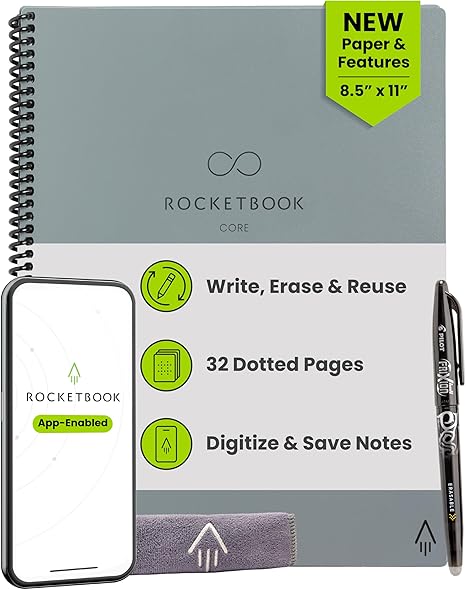 Rocketbook Core Reusable Smart Notebook, Dot Grid Pages For School, Work and Creative Projects, Letter Size 8.5x11, Grey - Premium Check Price
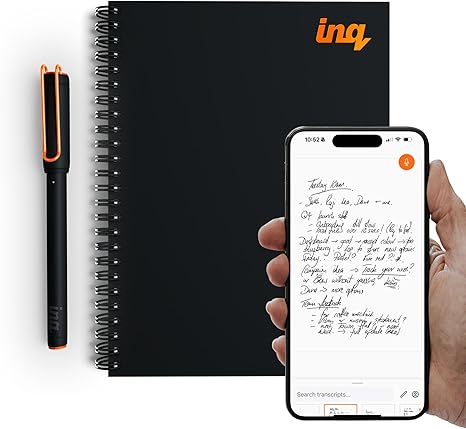 inq Smart Writing Set – Converts Handwriting to Text – Real Ink on Real Paper - AI Note Taking, Voice Recording and Transcription, For iPhone and Android - Smart Pen & Notebook (A5, Journal Size) Check Price
 Rocketbook Core Reusable Smart Notebook, Lined Pages For School, Work and Creative Projects, Letter Size 8.5x11, Black - Premium Check Price
Our Top Pick
Mnemosyne B5 Dot Grid Notebook is my go-to for serious dream work. After years of trying different journals, I settled on this because it makes morning recall fast and dependable. It’s smartpen-ready so your late-night scribbles become time-stamped, searchable logs, and the B5 size gives you enough room to sketch a dreamscape or drop a one-word cue without monopolizing the nightstand.
What sells it in real use is the combo of paper quality, binding, and layout. The 5mm dot grid keeps quick drawings and short notes tidy, the wire-bound spine lays flat so you can write while still half-asleep, and the perforated pages make it simple to remove or share notes without tearing things up. I’ve caught fleeting details in seconds, then used searchable tags later to spot repeating signs and refine MILD and WBTB scripts.
For long-term practice the smartpen-ready aspect multiplies the benefit. Digitize consistently and you build a searchable archive, which makes pattern recognition practical instead of guesswork. Over months you can measure improvements, track induction success rates, and tweak cues based on real entries. It’s solidly built, so it’s a notebook that supports consistent practice rather than one you ditch after a few weeks.
If you want a notebook that transforms sleepy scribbles into reliable data for lucid dream training, choose a durable, smartpen-ready B5 with a dot grid and lay-flat binding.
Key benefits and standout features
- Smartpen-ready paper, so you get instant digital capture, time-stamped entries, searchable tags, and optional audio sync when used with a compatible smartpen.
- B5 format, compact bedside size with plenty of room for sketches.
- 5mm dot grid, good for quick drawings, dream maps, and induction notes.
- Wire-bound and lays flat, so you can write with one hand while still groggy.
- Perforated pages for clean removal or sharing.
- 80 sheets / 160 pages, enough for steady journaling.
- High-quality Japanese production, minimal bleed-through with fountain pens and pencils.
- Built for long-term practice, helps you spot patterns and measure progress from beginner to advanced.
Smartpen Notebooks That Make Morning Recall Instant
If you wake in that fuzzy zone between sleep and wakefulness, a smartpen setup will change your mornings. These systems let you write on paper while the pen records strokes and sometimes audio, turning rushed bedside scribbles into searchable logs. That matters because capturing a dream image or a half-remembered line right away preserves the cue that will show up again.
When you’re comparing options, pay attention to transcription accuracy, how reliably the pen syncs with its app, whether it links audio with handwriting, and battery life. Also check ergonomics and how the pen feels, because if the pen is clumsy you won’t use it. Below I focus on real-world reliability, OCR fidelity, and whether each option supports fast bedside journaling so you actually stick with the habit.
Mloas Smart Sync Pen
I’ve journaled dreams for years, and the hardest part is always those first five minutes after waking, when REM imagery slips away. This smart sync pen turned that fragile window into usable data. Scribble a quick phrase and the app saves a time-stamped, searchable entry. Tap the audio sync to catch half-formed lines you can’t spell awake. The result is handwriting, OCR text, and audio bundled together so you can build a searchable archive for MILD and WBTB work.
As a user what stands out is practical accuracy and portability. The pen feels natural on A5 pages, pressure sensitivity keeps doodles and dream maps intact, and offline storage means you won’t lose notes if your phone is across the room. Exporting to text or PDF makes tagging and pattern-spotting simple. Beginners get low friction: one tool replaces phone notes, voice memos, and scraps of paper. Advanced practitioners will like timestamps and searchable tags for trend analysis.
Pros. Fast, natural handwriting capture. Audio sync and OCR that’s searchable. Offline saving and easy export. Compact enough to keep at the bedside.
Cons. The app can hiccup and OCR depends on neatness, so expect a short setup groove. Also uses patterned notebook pages, so plan for compatible refills.
Dot-Grid Smart Notebooks for Freeform Dream Maps and Logs
Dream journaling is rarely neat. You need space for quick notes, sketches of surreal scenes, and lists of dream signs. Dot-grid pages give you that flexible canvas while keeping entries tidy enough to scan or transcribe later. For many people, sketching a scene or drawing a recurring object triggers stronger recall than typing. When choosing a dot-grid notebook look for paper weight that resists bleed and ghosting, a binding that lays flat for easier bedside writing, and durable pages if you plan to keep a long-term log. Below I compare how these notebooks handle fast, messy morning entries and which ones best preserve handwriting for later analysis.
le vent Dot Grid Notebooks
If you treat morning journaling like a practice, these le vent A4 dot grid notebooks are quietly effective. The large 8.5 x 11 pages give you room to sketch scenes, map recurring signs, and write full narratives without squeezing. The 100 gsm cream paper takes ink well (fountain-pen friendly if you like a smooth, deliberate write). The gray dots help structure quick reality-check lists and MILD reminders while staying unobtrusive for drawings and mind maps.
What makes these useful for dream workers is simple reliability. The spiral lays flat so you can scribble with your eyes half-closed. Two generous 200-page notebooks mean you won’t run out mid-project, and the hard covers give you a decent writing surface when you don’t want to get out of bed. The paper is thick enough to avoid bleed-through, which keeps earlier entries readable when you review patterns over weeks and months. I use one notebook for raw morning recalls and the other for tagging recurring imagery and planning intention scripts.
Who this fits. Beginners will appreciate the forgiving dot layout and durable paper. Advanced practitioners will like the size and page count for long-form logs and induction worksheets. Pros: lay-flat spiral, heavy paper, large canvas for sketches. Cons: covers can feel a bit flexible, the paper has a slight tooth with very fine nibs, and the size isn’t pocketable.
Maruman Mnemosyne Notebook
I’ve been journaling for years and this Maruman Mnemosyne B5 dotted notebook quickly became my bedside staple. The paper is the anchor. At 80 g/m² the pages handle fountain pens, gel pens, pencils, and smartpen tips without heavy bleeding or ghosting. The light gray 5mm dot grid and the small header for date/title make it fast to jot a fragmented image before it melts away. The wire-bound lay-flat construction means you can fold it back and write with one hand while still groggy. Micro-perforations are a tiny but underrated feature. I tear out pages to scan or attach to digital logs and the edges come away clean, which matters if you want crisp captures for pattern-finding.
This notebook stands out for durability and capture workflows. Pair it with a smartpen (for timestamps and optional audio sync) and your morning scribbles become searchable evidence for MILD and WBTB use. Who it’s for: anyone serious about improving recall. Beginners will like the forgiving paper and layout. Advanced users will appreciate how well it scans and accepts different inks. Pros: silky-smooth, bleed-resistant paper, lay-flat spiral, perforated pages, quick date header. Cons: only 80 sheets so you may go through them fast if you journal daily, and the off-white paper can feel slightly slippery to some. Tip: keep a few spares handy.
Rocketbook Core
After years of losing dream fragments while reaching for my phone at 4 a.m., the Rocketbook Core turned that weak moment into usable data. Writing anchors the memory and the app preserves it. Use a Pilot Frixion pen, scan with the Rocketbook app, and the note auto-syncs with timestamps, Smart Titles, and Smart Tags so you can build a searchable archive. The dot-grid pages are great for quick sketches of odd objects, locations, or little flowcharts that remind you to reality check. The reusable pages let you iterate on dream-sign lists without a pile of notebooks.
What makes it different is the handshake between handwriting and digital organization. The Frixion pens write smoothly and the app’s OCR and cloud routing keep your logs accessible and timestamped for long-term pattern spotting. I tag things like door, falling, and teeth and run weekly checks for common triggers. Real talk: the ink takes a second to dry and you need to stick with Frixion pens. If you leave marks too long you might see faint ghosting after wiping. The page count is modest, so plan for regular scans and erases.
Who it’s for. Beginners will love the low friction - write, scan, sleep - while intermediates and advanced users will value the searchable archive and tagging. Pros: tactile writing, instant digitization, reusable, great for tagging and timestamps. Cons: pen choice matters, occasional ghosting, pages need care.
Digital Handwriting Journals for Searchable, Time-Stamped Dream Archives
Once you log dozens of dreams a month, searchability becomes essential. Digital handwriting journals convert your written notes into searchable archives, complete with timestamps and tags that let you track motifs, emotion, and induction success. The upside is obvious: find every instance of the same dream sign in seconds and quantify progress over weeks. Prioritize OCR accuracy, reliable offline capture for groggy mornings, and robust tagging or folder features. Also check export options and privacy controls, since dream content can be personal. Expect tradeoffs between the immediacy of analog writing and the power of digital search. Below I highlight how each tool balances those tradeoffs.
inq Smart Writing
The inq Smart Writing set pairs real ink on special paper with instant digital capture, time-stamped logs, searchable text, and audio sync so five-second impressions become searchable evidence. For my practice this mattered. I used timestamps to link entries with WBTB awakenings, tagged recurring motifs for MILD cue lists, and played back audio to recapture emotional tone. The built-in AI, Quin, that summarizes and pulls keywords is handy when you’re sorting weeks of micro-journals. Offline storage and 75-page buffering mean you can write right after waking without hunting for your phone, then sync later.
This kit stood out for durability and practical results. Pros: authentic pen feel, strong handwriting recognition, audio linked to strokes, offline buffering, and support for standard D1 refills. Cons: the app is still evolving (export and Android stability can be hit-or-miss), the pen sometimes needs a nudge when the ink stalls, and you must use the special paper. Small anecdote: after a month of tagging, I noticed a red door motif and that one insight led to three nights where I became aware in dreams. If you want consistent recall turned into usable data, this delivers.
Rocketbook Core
I switched to this reusable setup after losing fragments while fumbling for my phone at 4 a.m. Handwriting anchors memory and instant digital capture preserves it. Use a Pilot Frixion pen, scan with the app, and the note auto-syncs with timestamps, Smart Titles, and Smart Tags so you can build a searchable dream log. That lets you tag recurring signs, study the time patterns around your WBTB attempts, and refine MILD reminders. The pages wipe clean so you can keep the same layout for months.
What makes it work is the balance between tactile writing and digital organization. The paper feels nicer than cold e-ink, the app routes notes into folders reliably, and OCR plus tags speed up pattern hunting. A few practical tips: the included pen isn’t always the best, write a bit heavier to avoid ghosting, keep a spray bottle and cloth nearby, and carry spare Frixion pens (bold tips scan best). Some users report wear over heavy use, so treat it like a tool and maintain it.
Who should buy it? Beginners who want a low-friction daily habit will love it. Intermediates and advanced users will appreciate the archive and tagging for trend analysis. Pros: tactile memory anchor, easy digitization, reusable and eco-friendly, great for tags and timestamps. Cons: pen variability, occasional ghosting, needs upkeep.
Wrapping Up
The core idea is simple: handwriting anchors fragile REM images, and smartpen-ready or dot-grid notebooks turn those anchors into searchable, time-stamped evidence you can actually use. Smartpen setups like the Mloas Smart Sync Pen capture strokes and optional audio so five-second impressions don’t evaporate. Dot-grid options like the Maruman Mnemosyne B5 and the le vent A4 give you room to sketch, list dream signs, and map induction strategies. Reusable, app-forward choices like Rocketbook Core and systems like inq Smart Writing trade permanent paper for instant cloud organization and easy tagging.
If you’re just starting, pick a low-friction setup that preserves the ritual. Rocketbook Core is brilliant for beginners who want to write and scan without a stack of notebooks. If you want a handwriting-first workflow with digital backups, pair the Mnemosyne B5 with a smartpen like the Mloas Smart Sync Pen. If you sketch a lot or do visual mapping, go with the le vent A4. If you’re trying to quantify trends and automate keyword extraction, the inq Smart Writing set gives timestamps, audio, and AI-assisted summaries that turn subjective notes into patterns.
Make the decision around your bedside habit, not the buzzwords. If you wake groggy, favor smartpens with offline buffering and fast sync. If you sketch induction diagrams, choose heavier, larger dot-grid pages. Practical backups matter: spare Frixion pens for Rocketbook, an extra stack of Mnemosyne books if you journal daily, and a short tag list like door, falling, teeth you can use immediately. A tiny trick I still swear by: tuck the pen cap under the pillow so you can grab it with one hand, and write a single trigger word first before the narrative so you don’t lose the cue.
Ready to stop losing fragments to the ceiling? Pick a setup that fits your bedside rhythm tonight, write at least one line the moment you wake, and tag recurring elements for weekly review. Commit to 30 days with that combo, use timestamps and audio when available, and you’ll stop handing little dream clues to the void and start building the searchable archive that nudges you toward more conscious nights.