Positional Sleep Trainers for Stable REM and Longer Dreams
Hands-on reviews of positional sleep trainers to help you stop disruptive shifts, stabilize REM, and extend dream continuity for deeper, longer dream sessions.
We may earn a commission from qualifying purchases. Affiliate disclosure How we choose
On this page
There’s a tiny, ridiculously satisfying thrill when you wake and can replay an entire dream scene - the colors, the motion, that split-second choice. That feeling is why I started messing with sleep-position tools. Once I learned how fragile REM continuity is, I began treating posture like part of my dream hygiene. The results surprised me.
If you’ve ever been ripped out of a lucid dreaming moment by a flopped shoulder or an awkward head turn, this guide is for you. I ran these devices night after night and wrote down what worked, what annoyed me, and how each one affected dream length and recall. These tools either keep your body in REM-friendly postures, give gentle cues to correct a rollover, or limit big position-shifts that fragment dreams. The goal: fewer start-stop interruptions and longer, more stable lucid episodes.
There are trade-offs. Some things are subtle and take a few nights to get used to. Others lock your posture reliably but require a bit of setup and adaptation. I’ll help you match options to how you sleep and what you want from your lucid dreaming practice, so you spend less time troubleshooting and more time exploring.
Key takeaways
- Our Top Pick
- Positional Sleep Trainers That Keep Your REM Flowing
- Side Sleeper Pillows That Support Longer Lucid Episodes
- Vibration Positional Trainers: Gentle Cues to Stay Side-Down
Take a closer look
Products in this review
 Side Sleep Trainer for Positional Sleep Apnea - Anti Snoring Device to Prevent Back Sleeping, Sleep Positioner for Snore Relief & Better Breathing | Lightweight, Comfortable & Effective, Long Foam Check Price
 Coop Home Goods Original Cut-Out Adjustable Pillow, Queen Size Bed Pillows for Neck & Head Support, 18 x 28 “ Memory Foam Pillows - Medium Firm for Side Sleeper, CertiPUR-US/GREENGUARD Gold Check Price
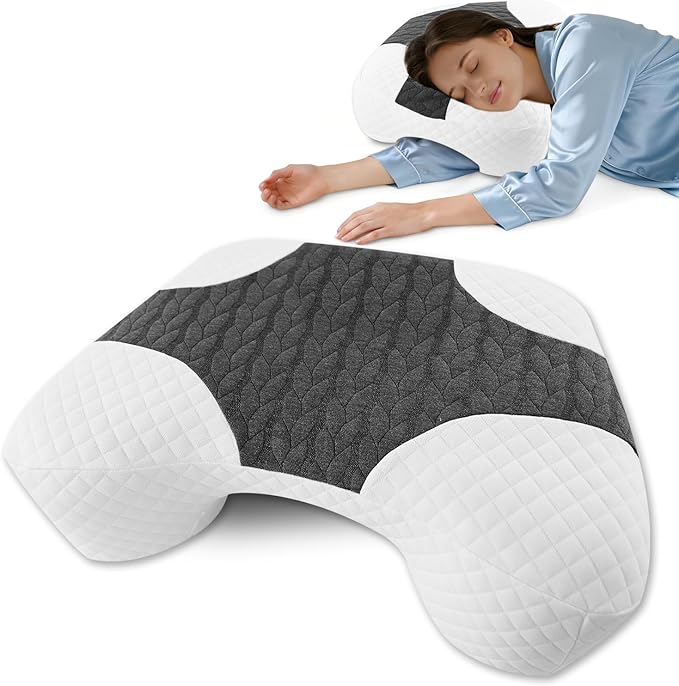 Side Sleeper Pillow with Arm Hole - Memory Foam Pillow for Neck & Shoulder Pain Relief, 3-in-1 Design for Back/Stomach Sleepers, Grey Check Price
 MERACH Vibration Plate for Lymphatic Drainage, 6-Level Portable Cordless Vibration, Multifunctional Full-Body Fascia Ring, Deep Tissue Percussive Massager for Weight Loss, Gift for Women Check Price
 Lifepro Waver Vibration Plate Exercise Machine for Lymphatic Drainage, Muscle Activation, Full-Body Workout Vibrating Platform with Loop Bands, Fitness Equipment for Strength Toning & Fat Loss Check Price
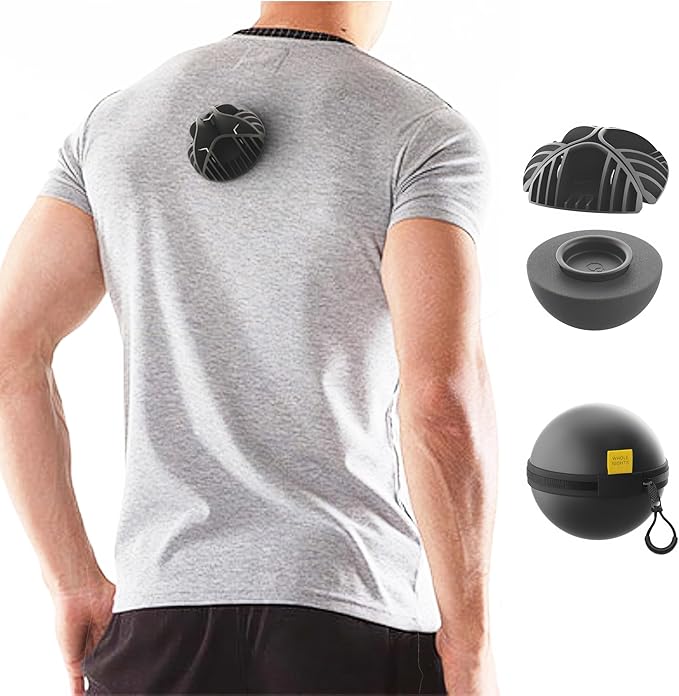 Ball for Side Sleep Posture - Calma Clip v2 by Whole Nights, Sleep Aid for Back Snorers, Anti Snoring Device, Attaches to Any Clothes and Keeps You in a Healthy Sleeping Position Check Price
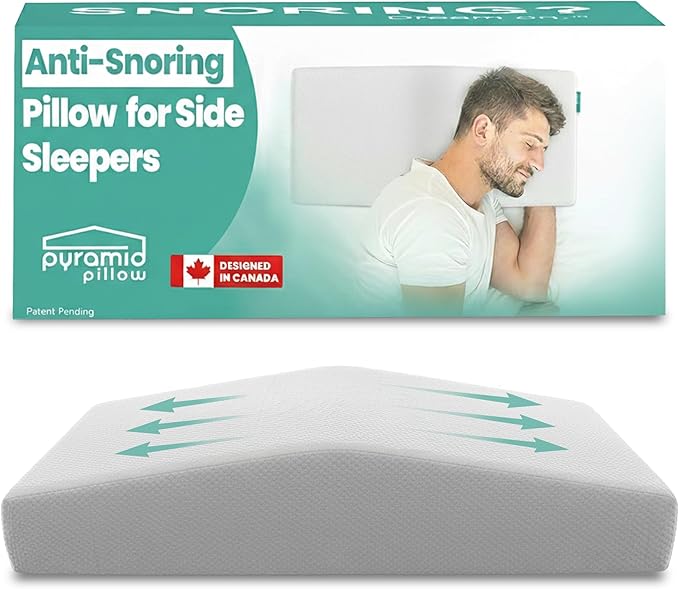 The Original Anti-Snoring Pillow for Side Sleepers, Snoring Solution and Remedy, Patent-Pending Stop Snore Aid with Memory Foam, Snore Stopper, Anti-Snore Pillow, Anti-Snore Devices Check Price
 Osteo Sustained Cervical Health Neck Pillow, Contour Zoned Design Ergonomic Pillow for Pain Relief, No-Temperature Affected Memory Foam Pillows, Cooling Pillow Support Side, Back, Stomach Sleeper Check Price
Our Top Pick
Positional Side-Sleep Pillow (Side Sleep Trainer) ended up being the single most practical change I made for lucid dreaming. It keeps you off your back reliably, which cuts down the tiny position shifts that break REM into fragments. It’s a long foam support made for side sleepers, light enough to use nightly and comfortable enough that it doesn’t feel like wearing armor to bed. If rolling onto your back routinely wakes you up, this fixes the common interruption.
This isn’t a gimmick. In real use it reduced how often I repositioned, and that meant fewer broken dream chains and steadier REM blocks. After a few weeks I was getting longer lucid episodes and cleaner morning recall. As a bonus, it also helps reduce snoring and improves breathing posture, so sleep quality often gets better as your dreams get more stable.
If you treat lucid dreaming like a skill, think of this as long-term support, not a one-night trick. Use it nightly and pair it with your induction techniques (MILD, reality checks, gentle WBTB). Over weeks you’ll notice fewer mid-dream jolts and an easier time holding lucidity through those fragile first minutes.
Key benefits and standout features:
- Keeps you in side-sleeping position to stabilize REM and reduce dream fragmentation.
- Long foam profile provides even, comfortable support without heavy bulk.
- Lightweight and simple design for nightly use and gradual sleep training.
- Helps reduce back-sleeping and snoring, supporting better breathing and uninterrupted sleep.
Consistent side-sleeping equals fewer micro-awakenings. Less fragmentation leads to deeper, longer lucid episodes.
Positional Sleep Trainers That Keep Your REM Flowing
If your lucids get chopped short because you roll onto your back, a positional trainer can be a game changer. These devices cut down the micro-movements and full rotations that fragment REM cycles. From my experience, the right trainer turns scattered five-minute lucids into scenes you can actually work with.
When you’re choosing, focus on steady positional feedback, minimal disturbance during REM, and an ergonomic fit. You want something that prevents a harmful rollover without creating a new wake-up problem. Size, materials, and how it works with your pillow and mattress matter. Also think about whether it allows small natural adjustments so you don’t trade one problem for another.
Below I’ve kept things practical: how reliably each trainer holds your posture, how comfortable it is if you move around at night, and whether it’s better for a short experiment or nightly practice. I’m blunt about setup time and learning curves, so you can pick what matches your sleep style.
SJFFDP Side Sleep Trainer
This backpack-style side trainer quickly became one of my go-to tools. The high-density foam pad and the three-strap system hold your torso in a side position that’s friendly to REM, cutting down the tiny shifts that break dreams. In practice I had fewer abrupt awakenings, longer dream continuity, and more complete scenes after the first week. It also helps with snore reduction, which is handy if you sleep with someone.
What I like about it compared to belts or vibration units is the physical anchor. It doesn’t buzz you awake. Instead you get a constant, gentle reminder on your back so you naturally settle into side-sleeping without repeated micro-arousals. The straps stay put through the night and the pad is comfy enough to wear over pajamas. It’s lightweight and travel-friendly, so you can keep REM continuity away from home. Expect a short adaptation period - the first few nights feel odd, then it becomes second nature. Foam is spot-clean only, straps hand-washable.
Pros: reliable positional support, comfortable for larger body types, reduces position-related dream breaks, portable.
Cons: initial adjustment period, not a replacement for medical treatment of severe sleep apnea (see a clinician if needed), foam needs spot cleaning.
Practical tip: tighten straps snugly but not restrictive. If you want fewer fragmented dreams and longer lucid episodes, this is a solid addition to your sleep setup.
Side Sleeper Pillows That Support Longer Lucid Episodes
A well-shaped pillow quietly changes how you sleep, and for many lucid dreamers that change is huge. A pillow made for side sleeping keeps your head and neck aligned and prevents that shoulder or neck collapse that prompts annoying adjustments and dream breaks.
When you look for a pillow, check contouring, adjustable loft, and materials that keep shape all night. Memory foam and zoned designs usually give a stable platform, but watch heat retention and firmness. Also think about whether the shape forces awkward arm positions - that’ll make you fidget and wake up.
Below I rate pillows for comfort versus long-term posture benefits. I point out which ones are low-fuss and which are worth adapting to for serious lucid dreaming practice.
Coop Cut-Out Pillow
This Coop Cut-Out Pillow ended up in my nightly rotation fast. The shoulder notch actually cradles my head in a way that keeps my neck aligned, so I stay on my side longer. The adjustable Oomph fill means you can dial the loft and firmness precisely, which matters for REM continuity. After a week of consistent use I noticed longer dream scenes and cleaner recall.
Things dreamers will care about: breathable Lulltra cover, washable outer case, CertiPUR-US and GREENGUARD Gold certifications, and extra fill included so you can tweak setup without guessing. Pros: customizable support, comfortable side-sleep profile, easy maintenance. Cons: new-foam odor out of the box for some, a short adaptation period while you find the right fill, and a small chance you’ll need to re-fluff over months.
If you’re new to this, the Coop is a low-friction way to stabilize posture and build dream hygiene. For advanced users it’s a subtle, passive support - not a vibration trainer, but it cuts down the small disruptions that yank you out of lucidity. Setup tip: give it a good fluff (dryer trick or vigorous shaking), then remove or add fill until your ear sits comfortably above the shoulder notch. Pair it with side-sleeping during REM-heavy cycles and you’ll probably see better REM continuity and richer morning recall.
Spongiduits Side Sleeper Pillow
I’ve tried plenty of pillows, and this arm-hole memory foam design is one of the few that reliably keeps me in a REM-friendly side posture for long stretches. The triple armhole is the practical win: slide an arm through, tweak the opening, and your shoulder stops collapsing mid-REM. For me that meant fewer abrupt awakenings and a few more coherent dreams each week.
The slow-rebound, high-density foam holds its shape without flattening, so neck alignment stays consistent even after a small shift. The cover breathes and is machine-washable, which matters when you use something nightly. Expect a night or two to find the sweet angle. There may be mild initial off-gassing from the vacuum pack, and the feel is on the firmer side.
Who should try it: side sleepers who lose lucidity when their shoulder folds, beginners who want a non-electronic way to protect REM, and intermediate dreamers who want to cut position shifts without intrusive cues. Not ideal if you toss violently or want a very plush pillow.
Pros: stabilizes side posture, reduces shoulder pressure, machine-washable cover.
Cons: adjustment period, firmer density, smaller footprint than a standard pillow. Give it a few nights.
Vibration Positional Trainers: Gentle Cues to Stay Side-Down
Wearable vibration trainers are great if you can tolerate a light nudge. Instead of blocking a rollover, they sense orientation and give a brief buzz when you start to move into a non-ideal posture. That small cue can be enough to bring your body back into a dream-friendly position without a full awakening, preserving REM continuity.
Look for adjustable intensity, reliable orientation sensors, and low false-positive rates. Battery life and how you attach the unit matter - nothing ruins a night like a strap that slips or a device that buzzes randomly. Comfort and discretion matter if you share a bed. Expect a short adaptation phase where you learn to respond to the cue without fully waking.
Below I point out which units balance noticeable cues with sleep-preserving subtlety, how easy they are to wear, and whether their vibration pattern supports dreaming rather than breaking it.
MERACH Vibration Plate
This small strap-able vibration unit surprised me. It packs six intensity levels into a USB-C rechargeable body and attaches with a hook-and-loop strap so you can mount it on your ribcage or hip to remind yourself not to roll onto your back. I used low, steady vibration during naps and WBTB windows to reduce the tiny position shifts that fragment dreams. The controls are simple and reliable. The power is stronger than you expect, which is useful because faint vibrations often get lost under mattress noise. You can start very low and ramp up if you keep rolling.
Best for beginners and intermediate lucid dreamers who want a straightforward physical cue to preserve lateral sleep. Advanced users may miss finer programmability.
Real-world pros: solid vibration strength, light and portable, USB-C charging, easy strap.
Cons: strap can be too short for larger torsos, the strongest settings can feel intrusive if you’re sensitive, and the 15-minute auto-off limits full-night continuous use (perfect for naps and WBTB, less ideal for uninterrupted all-night experiments). After a couple of weeks I noticed fewer abrupt awakenings and cleaner dream recall. Side note: I even tried it in a hammock during an afternoon nap and it kept me on my side long enough to hit vivid REM.
LifePro Waver
I was skeptical about adding a vibration plate to my toolkit, but the Waver surprised me. It has a huge intensity range (1-99) and very smooth oscillation you can dial down to a whisper. Short, low-intensity sessions before bed loosened tight shoulders and hips, which reduced the head/shoulder shifts that used to yank me out of REM. The remote and presets make a quick pre-sleep routine easy to build without fumbling in the dark.
What makes the Waver useful for dream practice is control. You can go from gentle circulation to deeper muscle activation depending on what you need. The platform is solid and well-built, and the included bands let you work on stabilizing muscles that help you stay on your side longer. Real talk: it’s heavy and not ultra-portable, some people report brief dizziness on first use, and power compatibility can be a concern when traveling. There may also be a faint chemical scent at first that fades.
Who should consider it: beginners who toss and wake from position shifts will like the immediate comfort and circulation benefits. Intermediate and advanced users can fold it into WBTB or pre-sleep somatic routines to reduce micro-awakenings and lengthen REM continuity.
Pros: wide speed range, sturdy build, quiet operation, versatile uses.
Cons: bulky, adaptation period, potential power compatibility issues.
Positional Therapy Belts and Straps for Durable REM Stability
If your problem is full rotations rather than tiny shifts, therapy belts and straps give firmer control. These systems limit big rotations and keep torso and shoulders aligned all night. For lucid dreamers who lose REM continuity from gross position changes, a well-fitted belt can be the consistency you need for longer dream sessions.
When picking a belt, prioritize adjustable tension, breathable materials, and easy attachment so bedtime isn’t a wrestling match. A good belt should feel secure without restricting breathing or creating pressure points. Think about how it pairs with your mattress and pillows, and whether it allows small natural movements to avoid secondary awakenings.
The picks below focus on belts that deliver reliable control without becoming intrusive, and I point out the trade-offs between clinical-level restriction and sleep-friendly support.
Whole Nights Calma Clip
The Calma Clip is a delight in its simplicity. A soft foam ball clipped between the shoulder blades gives enough tactile feedback to stop back-rolling and the sudden position-shifts that fragment REM. In practice I had fewer abrupt awakenings and more uninterrupted dream time, which directly improved recall and made sustained lucid dreaming easier to practice. I noticed fuller morning REM scenes within a week when I clipped it to a snug sleep shirt and combined it with a short WBTB.
Pros: lightweight, travel-friendly, easy to clip on, non-invasive, effective for positional back snorers.
Cons: adaptation period (expect a few nights of noticing the bump), can feel uncomfortable if clipped to very loose or thin fabric, won’t help if your issue is side or stomach snoring.
Practical use: place the foam half against the inside of a fitted shirt at the upper back, and keep a dedicated sleep shirt so clipping becomes automatic. For beginners this is one of the easiest positional tools to adopt; intermediate and advanced dreamers will like how it stabilizes REM without vibration cues that can wake you. Note: some users report occasional slippage or wear over months, so consider keeping a spare.
Anti-Supine Pillows That Prevent Back-Rolling Without Breaking Dreams
Anti-supine pillows are a low-energy way to stop back-rolling and keep side comfort. They create a cradle or gentle barrier that makes lying on your back less likely while still letting you sleep on your side. For many people, this prevents the abrupt interruptions that degrade dream quality.
Look at the pillow profile, how it fits your shoulder width, and whether it allows your preferred arm placement. Comfort matters - anything too intrusive will trigger subconscious attempts to escape it. Watch for heat retention in dense foam and whether the pillow holds shape over months.
Below I compare shapes and which ones are quick fixes versus those that need a week or two to unlock full benefits.
Pyramid Pillow
If you treat dream hygiene like training wheels, the Pyramid Pillow is a useful addition. The 9.5-degree wedge and pyramid form keep your head and neck aligned for side-only sleep, which stabilizes REM blocks and reduces those position shifts that yank you out of a dream. The medium-firm memory foam molds enough to be comfortable while resisting collapse that can close the airway. For lucid dreamers, that means more uninterrupted REM and more chances to notice dream cues.
What stands out is simplicity: no buzzing, no apps, just a passive nudge that supports side-sleep posture night after night. Give it two to three weeks to fully expand and for your body to adapt.
Pros: durable foam, washable cover, clear positional effect that often improves recall and reduces mid-dream awakenings.
Cons: shape can feel odd at first, some find it a bit firm, and if you habitually roll onto your back or sleep with an arm under the pillow it may not stop position shifts. Expect a funny first-night feeling, then settling in.
Osteo Cervical Neck Pillow
I test positional tools more than most people test mattresses, and this contoured Osteo pillow made a real dent in the little neck shifts that used to pull me out of REM. The hollow center cradles the head and keeps the cervical curve steady, so those small postural collapses stopped waking me. The memory foam holds shape with a forgiving top layer, and the breathable 3D mesh cover helps nights stay cooler during practice sessions.
What makes it useful for lucid dreaming is that it stabilizes micro-postural collapses without feeling like a restraint, so dreams stay continuous and recall improves in a few nights. Rotating the pillow to adjust height is a neat trick for tuning neck angle.
Pros: solid cervical support, cooling cover, CertiPUR-US materials, adjustable height.
Cons: takes an adaptation period, can feel firm if you prefer plush pillows, and very broad-shouldered side sleepers may want a larger profile or a shoulder roll to pair with it.
Setup tips from my tests: air the pillow as recommended, sleep two to three nights with it before judging comfort, and if you still notice a shoulder collapse add a thin wedge under the mattress or a small bolster at the shoulder. If your aim is longer, less interrupted lucid episodes, this pillow is an easy, low-effort win.
Keep Your REM Flowing: Practical Next Steps for Longer Lucids
Across these categories, the headline is simple. Positional supports - from the Positional Side-Sleep Pillow (my top pick) to belts and anti-supine wedges - move the needle on REM continuity more reliably than most one-night tricks. Side-sleep pillows and cut-out neck designs (Coop Cut-Out Pillow, Spongiduits, Osteo) reduce the small head and shoulder collapses that fragment dreams. Vibration trainers (MERACH, LifePro) give a gentle cue you can learn to respond to without waking. And for people who need durable control, straps and clips (SJFFDP, Calma Clip) keep you anchored through deep cycles.
If you’re a beginner, start with low-friction, passive aids. The Positional Side-Sleep Pillow or Coop Cut-Out will likely give immediate improvements in recall and fewer mid-dream jolts, and the Calma Clip is an easy add-on with a fitted sleep shirt. Intermediate users will appreciate the SJFFDP or the MERACH for naps and targeted WBTB sessions. Advanced lucid dreamers who want maximum continuity should combine a firm anti-supine solution like the Pyramid or Osteo with a belt or strap on nights dedicated to extended practice. In every case, pair the hardware with your induction techniques (MILD, reality checks, timed WBTB) so body and mind learn the same pattern.
How to choose depends on what wakes you. If head or shoulder collapse wakes you, prioritize pillows with shoulder notches and adjustable loft (Coop, Spongiduits, Osteo). If full rollovers are the issue, look at belts and clips (SJFFDP, Calma Clip). If you tolerate a gentle nudge and want portability, pick a vibration unit with adjustable intensity and reliable sensors (MERACH, LifePro). Don’t forget the practical stuff: strap length for larger bodies, machine-washable covers, battery life and auto-off behavior for overnight vs nap use, and whether a device will disturb a bed partner.
A few practical rules I follow: change one variable at a time and stick with it for 2-3 weeks, tighten straps snugly but not restrictively, fully loft and tweak fill in cut-out pillows for proper ear-to-shoulder alignment, and start vibration trainers at the lowest setting so you learn to respond without waking. Use the MERACH for naps and WBTB when its auto-off is handy. Use the LifePro as part of a pre-sleep somatic routine to loosen muscles that trigger night shifts. Keep a simple dream log so you can see objective changes in dream length and lucidity frequency.
Here’s the blunt version: no device is a miracle on its own. The best long-term gains came from treating these tools as part of a consistent practice - the Positional Side-Sleep Pillow as a nightly baseline, the SJFFDP for travel and noisy nights, and the Osteo for fine cervical tuning. Fold in MERACH or LifePro for targeted naps and WBTB work. Over months the cumulative effect is real: longer dream scenes, cleaner lucidity, and more moments where you can choose inside the dream instead of getting yanked out.
So pick one tool that matches why your REM breaks, use it nightly for at least two weeks, keep a dream journal, and integrate it with your favorite induction methods. Take a lightweight backup (foam clip or small wedge) for travel so your continuity practice stays consistent. Then come back and tell us what worked - I want to hear your wins and the weird failures, because those are the best lessons.