Mugwort dream pillows & sachets for enhanced lucid dreaming
Tested by lucid dreamers: mugwort pillows and sachets that gently boost dream vividness, recall, and REM awareness, with practical tips for beginners and advanced.
We may earn a commission from qualifying purchases. Affiliate disclosure How we choose
On this page
Mugwort Dream Pillows & Sachets That Boost Lucid Dreaming
Tested by lucid dreamers: mugwort-filled pillows and sachets use traditional herbal aromatics to gently amplify dream vividness and make dream recall easier. Ideal for nightly use or WBTB naps, they pair well with journaling, reality checks, and MILD techniques to help both beginners and advanced practitioners increase REM awareness and lucid dreaming.
What if a tiny fragrant pouch on your pillow could nudge you into a lucid dream tonight? People often treat lucid dreaming as only a mental skill, but for me it’s a ritual. Intention, sensory cues, and sleep physiology all have to line up. Over the years I’ve tested mugwort and other dream herbs alongside journaling, reality checks, MILD, and WBTB naps. The herbs don’t do the work for you, but used right they make noticing dream oddities and remembering details much easier.
I’m obsessive about measurable results. Expect a clear look at scent potency, longevity, material quality, and safety. I’ll explain what makes a mugwort pillow or sachet worth using, how to add aromatherapy inserts into your pillow system, and how small recall sachets become dependable morning cues for writing dreams down. If you want practical selection tips, bedside rituals that actually work, and products that perform for both beginners and veteran lucid dreamers, keep reading.
Key takeaways
- Our Top Pick
- Mugwort Dream Pillows That Nudge REM Awareness
- Small Herbal Dream Sachets for Portable Dreamwork
- Aromatherapy Sleep Pillows That Improve Sleep Quality and Dream Clarity
Take a closer look
Products in this review
 Lavender Linen Sachets • Set of 3 • Easter Basket Stuffer • Organic Lavender Aromatherapy Bags - Lavender Shades Check Price
 Evergreen Herbs Mugwort Herb, Estafiate (Mugwort) 8 oz.Mexican Mugwort, cronewort - Resealable Stand Up Pouch to Ensure Freshness! Check Price
 Dream Sleep Sachet – Herbal Scented Mini Pillow with Chamomile, Hops, Lavender & Mugwort | Handmade Aromatherapy Gift for Peaceful Sleep & Relaxation - Sleepy Bees Check Price
 Sonoma Lavender Spa Mask, Heatable/Chillable Aromatherapy Eye Pillow with Lavender Infused Flaxseed Insert, Eye Compress for Stress Relief with Removable and Washable Cover (Arctic Circle) Check Price
 THISWORKS Sleep Club Set – 5 x Deep Sleep Pillow Spray 5ml – Mini Aromatherapy Sprays with Lavender, Chamomile & Vetivert Check Price
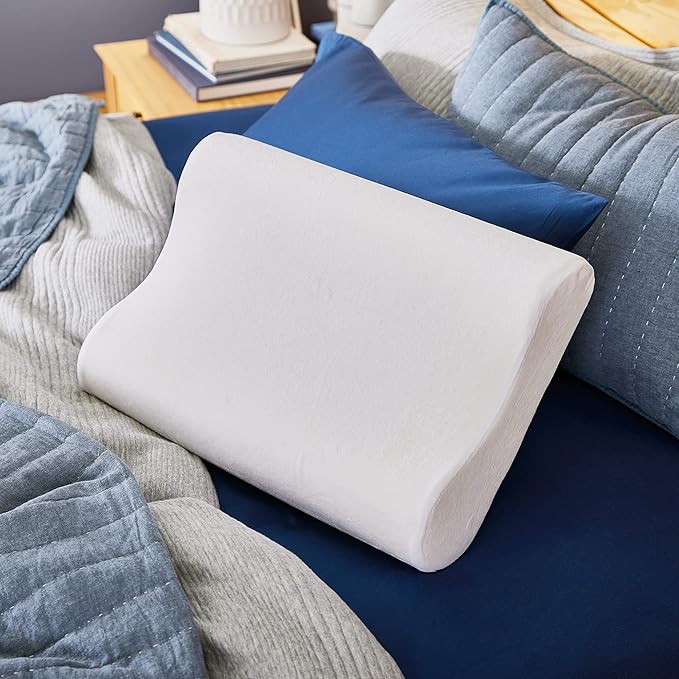 Sleep Innovations Memory Foam Contour Pillow, Queen Size, Head, Neck, and Shoulder Alignment, Side and Back Sleepers, Medium Support Check Price
 Sidney Sleep Bed Pillow for Side and Back Sleepers - Queen Size - Adjustable Filling - Memory Foam Pillow for Neck and Shoulder Support - Customizable Loft - Additional Foam Bag Included (Grey) Check Price
 Aroma-Dream Sachet for Pleasant and Lucid Dreaming Check Price
Our Top Pick
Organic Lavender Linen Sachets (Set of 3) is the best choice for dream-workers who want a simple, reliable way to shift their sleep environment toward lucid dreaming. Lavender is one of the few aromatics with decent sleep and relaxation research behind it, so it’s a sensible choice for lowering pre-sleep arousal and improving sleep continuity. That matters for lucid dreaming. Calmer sleep and fewer micro-awakenings help REM run cleaner and make recall easier. These sachets give a gentle, natural scent that won’t overwhelm during WBTB naps or full nights.
Beyond scent, this set is built to be used. The linen bags breathe and are reusable. Having three sachets means you can rotate them (one under the pillow, one in a travel kit, one for refresh), which keeps potency up and supports a consistent pre-sleep ritual. I’ve seen people report better dream recall and more vivid dreams when they combine these sachets with journaling and MILD. This is low-effort and surprisingly consistent.
A subtle, research-backed scent is often the difference between forgetting a dream and waking with it intact.
Key benefits and standout features:
- Organic dried lavender. Encourages relaxation and sleep quality without synthetic fragrances.
- Breathable linen sachets. Releases scent steadily and lasts longer than paper or plastic.
- Set of 3. Rotate them: pillow, bedside, travel or daytime naps.
- Discreet, non-intrusive aroma. Works for WBTB, short naps, and overnight routines.
- Complements lucid dreaming techniques. Pairs with journaling, reality checks, and MILD to boost REM awareness.
- Highly rated by users for scent quality and durability.
Mugwort Dream Pillows That Nudge REM Awareness
Mugwort carries a long history in folk dreamwork for good reason. For lucid dreamers the herb is prized because a mild, steady aroma near your head can act as a contextual cue during REM, helping bridge your waking intention into the dream. There are plausible mechanisms behind this: olfactory signals hook directly into limbic circuits and memory consolidation, so a subtle mugwort scent can increase dream salience without waking you up. It’s not a magic trick. Think of it as a reliable adjunct that amplifies your existing technique.
When you pick a mugwort pillow, focus on sourcing and construction. Look for organic or freshly sealed mugwort, breathable and washable covers, and containment that keeps herbs from spilling. A removable pouch is handy. Also check whether the pillow is meant for nightly use or WBTB naps, and whether the size fits your usual head position. Safety matters: avoid direct skin contact if you’re sensitive and skip concentrated forms if you’re pregnant or nursing. The best options make mugwort a subtle tool, not an overpowering smell.
Evergreen Herbs Mugwort
If you want to add mugwort to your bedside practice, this loose Artemisia vulgaris is a straightforward option. The dried leaves come in a resealable pouch so you can stuff small dream pillows or sachets, or place one beside your head during WBTB naps. I found the aroma gentle but persistent enough to act as a sensory cue when I paired it with intention-setting, journaling, reality checks, and MILD. Expect clearer imagery and easier morning recall when you use it consistently.
What makes this stand out is flexibility. This is whole-cut mugwort, usable for DIY sachets, teas, tinctures, or blends with chamomile, hops, and lavender for a softer bedside bouquet. The resealable pouch preserves freshness, which matters because the volatile aromatics drive the cueing effect. There’s plenty of anecdotal support among dreamers, and aromatherapy research suggests scent can influence sleep stages and memory consolidation. Treat it like a low-risk adjunct, not a miracle cure.
Who should buy it. Beginners who enjoy making sachets and pairing them with journaling will like it. Intermediate and advanced practitioners can use it as an olfactory anchor for WBTB sessions to stabilize REM awareness. Pros: authentic whole herb, flexible uses, good resealable packaging, proven in anecdotal practice. Cons: potency varies by harvest, aroma may be subtle for some noses, and the item is non-returnable for food safety reasons. If you react to ragweed family plants, skip it.
Practical tip. Make a 2-3 inch sachet and tuck it on the pillow edge. Set a clear intention before lights out, do a short WBTB wake-up and inhale the pouch like a reality check, then write down whatever you remember. Consult a healthcare provider if unsure.
Small Herbal Dream Sachets for Portable Dreamwork
Sachets are the easiest entry point for adding herbs to your lucid dreaming practice. Small pillows blend calming herbs like lavender and chamomile with dream botanicals such as mugwort to create a layered scent that helps both sleep onset and dream vividness. Because they’re portable and refillable, sachets are perfect for testing blends, moving between bed and chair during WBTB, and keeping a consistent olfactory cue near your nose. Practical dreamers use them to pair a scent with intention statements and prospective memory tasks before sleep.
When you evaluate sachets, prioritize build and blend transparency. A well-sewn outer pouch with a removable inner pouch or resealable fill is a big plus for longevity and hygiene. Look for clear ingredient lists so you can match the blend to your goals. Some people want a calming dominant note, others prefer a resinous herbal center that seems to spark hypnagogic imagery. Pay attention to scent strength and retention; a sachet that goes flat after a week won’t be useful. Durability, organic herbs, and the option to refresh the fill separate hobby sachets from serious tools.
Dream Sleep Sachet
If you treat lucid dreaming like a craft, this Dream Sleep Sachet deserves a spot in your kit. It’s hand-blended with mugwort, chamomile, lavender, hops, lemon balm, marjoram, and rose to give a mellow but distinctive anchor for REM and morning recall. Squeeze the mini pillow before bed to reactivate the aroma, slip it into your pillowcase, and use it as a cue during MILD or reality-check routines. There’s experimental support for olfactory cueing and associative priming in targeted memory work, so having a consistent bedside scent can bias dream content and recall.
Practical verdict. Pros: all-natural dried herbs, handcrafted cotton pouch, travel-friendly size, unobtrusive scent, pairs well with journaling and reality checks. Cons: aroma is subtle so heavy scent-seekers might want bigger sachets, and the fragrance will fade with frequent use (store sealed when not in use). Material quality feels solid and the included storage pouch helps longevity. Safety note: drug-free and chemical-free, but check for herb sensitivities and avoid if you have allergies or are pregnant. If you want a compact, dependable cue to increase dream vividness and recall, this is a practical choice.
Aromatherapy Sleep Pillows That Improve Sleep Quality and Dream Clarity
Aromatherapy sleep pillows are larger cushions that combine supportive fill with herb pockets or infused inserts. They’re great when you want one item that improves posture and delivers a steady scent field around your head. For lucid dreaming, an aromatherapy pillow can reduce micro-awakenings, deepen REM cycles, and create a predictable sensory environment that makes reality checks and MILD more effective. Many dreamers find a full-size aromatherapy pillow makes nightly practice simpler and more repeatable.
Pick a pillow based on both ergonomics and aroma. Ensure the fill supports your sleeping position and allows airflow so scent doesn’t pool in one spot. Removable covers and washable components are essential because herbs can lose potency when exposed to oils and sweat. Heatable or chillable inserts can boost scent dispersion or relaxation. Most important: the aroma should cue you without causing habituation. A good aromatherapy pillow balances comfort with reliable scent delivery.
Sonoma Lavender Spa Mask
This lavender-infused flaxseed eye pillow is one of my go-to bedside tools for better dream recall and REM stability. It gives a soft lavender aroma, gentle weight, and comforting warmth that relax the nervous system and lower pre-sleep arousal. I use it for short WBTB naps and as a keyed ritual: heat for a minute, place across the eyes, and run a short MILD phrase. The combo of scent plus moist warmth becomes a conditioned cue after a week or two. I count on the removable lavender/flax insert (pinch to re-release oils), the washable cover, and the 20-30 minute heat window that matches many pre-sleep routines.
Who should buy it. Beginners will like the low effort ritual and anxiety reduction. Advanced lucid dreamers can use it as a consistent sensory anchor for journaling and reality checks. Pros: pleasant lavender, good weight, washable cover, helpful for headaches and sinus relief. Cons: it’s lavender, not mugwort, so it primes relaxation more than dream stimulation; scent fades with heavy use; do not overheat or wash the insert. Overall, a reliable tool if you value ritualized cues and measurable gains in recall.
THISWORKS Sleep Club
If you treat lucid dreaming like a skill, this mini pillow spray set is a no-fuss way to add a sensory anchor to your routine. The blend of lavender, chamomile, and vetivert calms the nervous system and can shorten sleep-onset latency, which matters because better-regulated sleep increases the chance of vivid REM where lucidity happens. Spray 1-2 times on your pillow or linen as a repeatable cue to pair with intent-setting, a MILD script, or a short WBTB nap. Olfactory cues are used in targeted memory reactivation studies, so a reliably applied scent can work as a conditioned trigger for REM awareness.
Who should buy this. Beginners will like the travel-friendly minis and low commitment. Advanced practitioners can use the sprays for WBTB sessions or travel nights when routine is disrupted. Pros: easy to use, natural botanical profile, portable, great for building a consistent pre-sleep cue. Cons: minis run out fast if used nightly; scent is subtle; sprays alone won’t induce lucid dreams without technique. Practical tip: spray consistently for two weeks while journaling and doing reality checks to judge true improvement in dream vividness and recall.
Lucid Dreaming Pillow Inserts: The Stealthy Way to Add Herbal Power
Inserts let you keep your favorite pillow and add herbs without changing neck alignment. An insert slides into the pillowcase or a side pocket to localize aroma near your head. This is perfect for people who need specific support but still want a scented cue. Inserts let you fine tune blends, swap fills seasonally, and keep the main pillow washable. For many lucid dreamers, modularity equals consistent practice and measurable improvements in recall.
When shopping for an insert, prioritize fit and diffusion control. It should match your pillow dimensions and have sealed seams or a resealable pouch so herb dust won’t migrate into foam. Breathable fabric and a balanced herb load prevent overpowering smells or rapid scent burnout. Refillable inserts that are easy to remove for washing are best. Layered inserts let you combine a calming outer layer with a stronger mugwort core for graduated exposure during WBTB or overnight strategies.
Sleep Innovations Contour Pillow
If you take lucid dreaming seriously, your sleep surface needs to be a predictable lab. This contour memory foam pillow gives consistent cervical support that reduces micro-awakenings and preserves REM continuity, which in practice means richer dream cycles and better morning recall. The dual-height contour gives options for back or side sleepers. The foam springs back reliably, the removable knit cover is easy to wash, and CertiPUR-US materials reduce worries about off-gassing. In short, it creates a stable surface so you can focus on dream techniques instead of neck stiffness.
Who it helps. Beginners benefit because better sleep alone boosts dream vividness and recall. Advanced lucid dreamers will appreciate reliable support for short naps and WBTB returns to sleep. Pros: consistent support, two contour heights, washable cover, durable foam. Cons: firmness varies across batches, some users notice an initial chemical smell that fades with airing, and it might feel firm if you like very soft pillows. Small note: after switching to a stable contour pillow I started waking mid-REM with clearer dream recall. If you want a reliable foundation for serious practice, test it for a few weeks to see how REM continuity changes.
Sidney Sleep Bed Pillow
This adjustable shredded memory foam pillow is more than comfort. For lucid dreamers the practical benefits are obvious. The contoured shape and customizable loft keep your head stable overnight, which reduces micro-arousals and helps REM periods run longer and cleaner. The removable, machine-washable cover and extra foam bag make it easy to tune height for WBTB naps, midday MILD practice, or overnight stretches when you want consistent dream recall.
What stands out is real adjustability and body-contouring. Add or remove fill until your head hits the sweet spot that keeps shoulders relaxed and airway alignment comfortable. It’s CertiPUR-US and OEKO-TEX certified, so you avoid low-quality off-gassing in most cases. On the flip side, expect an initial foam smell and mixed reactions to firmness. Zipper durability has been mentioned too, so air the pillow 24-72 hours and test feel before relying on it for important WBTB sessions.
Who should buy it. Beginners trying to remove neck pain and fragmentation will see quick gains. Advanced practitioners can use it as a stable platform for sensory cues. I often tuck a small herbal sachet in my pillowcase corner for a gentle olfactory cue during naps. That tiny ritual plus steady support equals more vivid dream logs.
Pros. Highly adjustable loft, contoured support, washable cover, reputable certifications. Cons. Possible initial odor, variable firmness, occasional zipper issues.
Dream Recall Sachets: Morning Cues to Lock in Memories
Recall sachets are designed to be a morning trigger that helps you capture dreams before they evaporate. The idea is simple and powerful. A subtle scent on your nightstand or pillow becomes a conditioned cue for your brain to initiate recall. Over time that cue links to the motor pattern of writing, speaking, or recording dreams, which increases both the amount and clarity of retrieved dream content. For lucid dreaming practice, richer recall means better MILD attempts because the memories you rehearse are more stable.
Choose recall sachets for longevity and subtlety. The aroma should be noticeable when you wake but not so strong it disrupts sleep. Refillable sachets or those with essential oil reservoirs offer better long-term value. Crisp, herbaceous notes often work better as morning cues than heavy florals. Also pick sachets that are easy to recharge and sit on a nightstand without shedding. A reliable recall sachet becomes part of a morning ritual that turns fleeting impressions into consistent dream memory.
Dream Field Lavender Sachets
If lucid dreaming is a ritual for you, these linen lavender sachets are a tidy sensory anchor that strengthen bedtime routine. They’re handmade from European flax linen and packed with organic lavender buds, so the scent is natural and not synthetic. Tucking one inside the pillowcase gives a mild olfactory cue that helps shift the brain into a relaxed, receptive state before sleep. That relaxed state matters because calmer pre-sleep physiology means cleaner REM cycles and better morning recall.
Why they stand out is simple: material quality and usability. The fabric feels durable and soft, the sachets are generous, and the lavender aroma is fresh without being overpowering. They come as a set of three, which I spread across pillow, nightstand, and travel bag. Use them for WBTB or as a nightly anchor while practicing journaling, reality checks, and MILD. When paired consistently with intention, the scent becomes a conditioned cue.
Who should buy this. Beginners who want a low-effort pre-sleep ritual. Advanced practitioners who want durability and portability. Pros: organic fill, handcrafted linen, good scent longevity, travel-ready. Cons: lavender promotes relaxation rather than directly inducing lucidity, so pair with active techniques. Avoid if you have strong lavender allergies.
Practical tips. Keep one tucked in the pillowcase and one beside your dream journal to prime morning recall. Refresh scent by massaging the bag or storing unused sachets airtight. Treat them as a sleep-quality booster that supports lucid dreaming rather than as a standalone solution.
Mood & Mind Aroma-Dream
This little sachet uses a classic dream-herb blend (mugwort with lavender and lemon balm) to give a gentle nudge toward more vivid dreams and better recall. I use it like Pavlovian training. Tuck it under your pillow or inside a pillowcase before overnight sleep or a WBTB nap. The lavender softens the herbal edge while mugwort supplies the traditional “dreamy” aroma. For me it strengthens intention-setting: when I smell it I run through reality checks and a short MILD script, and that combo consistently raises REM awareness.
Why it’s useful: simplicity and portability. It’s low-effort, pairs easily with journaling, and doesn’t change sleep hygiene. Be realistic, though. Scent longevity is mixed. Some nights the aroma is strong and works as a reliable cue. Other times it’s faint and needs a light squeeze or replacement after a few months. Pros: easy to use, pleasant scent, travel-friendly. Cons: inconsistent scent strength between batches, not a standalone lucid solution, and avoid if you have herb allergies.
Best for beginners who want a concrete cue to anchor techniques, and intermediates who need a cheap, repeatable stimulus to pair with MILD. Practical tip: place it inside the pillowcase, refresh by crushing the dried herbs gently, and always write down any dream fragments immediately.
Buyer's Guide: What to Look For
Think like a sleep scientist and a home decorator at once. Size and placement matter. Tiny sachets are great for travel and WBTB pockets, low-profile inserts work for everyday pillows, and larger aromatherapy cushions give full-night support. Too tall or bulky can change head position and fragment REM; too small and scent won’t be a reliable cue. Pick a size that sits where your nose naturally rests without forcing a new posture.
Checklist - Size & Placement
- Confirm dimensions and loft vs your current pillow/sleep position.
- Choose travel-friendly sachets if you do WBTB naps or travel a lot.
- Avoid bulky pieces that push your head forward or alter cervical alignment.
- Ensure the item can be positioned consistently (under pillow, inside case, nightstand).
Materials and construction determine scent performance and longevity. Natural breathable fabrics like linen and cotton release aromatics steadily and wash easily. Tightly woven synthetics can trap oils and off-gas. Look for sealed seams or removable inner pouches so herbs don’t migrate into foam. Refillable fills preserve potency. Realistically, organic dried herbs usually give the best cues but need refreshing and proper storage.
Checklist - Material & Build
- Breathable outer fabric (linen/cotton) with a washable cover.
- Removable inner pouch or resealable fill to prevent contamination.
- Clear ingredient labeling so you can avoid allergens.
- Solid stitching and zippers-low shed, long life.
Compatibility and effectiveness are operational priorities. Your item must work with your pillow type without causing off-gassing, scent masking, or particulate migration. Evaluate scent strength and reactivation options: adjustable inserts, crush-to-reactivate sachets, or small reservoirs. Consider safety and sensitivity-pregnancy, ragweed-family allergies, and strong fragrance sensitivity are real downsides. The goal is a consistent, repeatable cue to pair with intention, journaling, and reality checks.
Checklist - Compatibility & Effectiveness
- Fits your pillow type and doesn’t trap heat or odors.
- Scent strength is adjustable or reactivatable; long-lasting vs short-lived.
- Refillable or replaceable herbs or scent reservoirs for sustained use.
- Safety information available; avoid if pregnant, nursing, or allergic.
Budget, aesthetics, and whether you actually like the piece matter more than you think. You’ll use a tool more if it looks and feels right. Decide if you want a visible decor item (handmade linen sachets, decorative sleep pillows) or a stealthy insert. Factor in upfront cost, refill expense, and lifespan: cheap sachets are fine for testing, but invest in quality for sustained, measurable gains. Match color, texture, and scale to your bedroom so the ritual becomes effortless.
Checklist - Budget & Aesthetics
- Compare one-time cost vs ongoing refill/replacement cost.
- Pick a design that complements your room (visible decor vs hidden insert).
- Prefer neutral, breathable fabrics for a subtle long-term cue.
- Consider multifunctional pieces (eye masks, weighted pillows) for extra value.
Making Your Decision
Here’s the bottom line. Mugwort pillows and herbal sachets are practical, low-risk helpers that strengthen the ritual side of lucid dreaming by providing a consistent olfactory cue. Products like Evergreen Herbs Mugwort and mugwort-forward sachets tilt toward dream vividness and REM salience. Lavender-forward items such as the Organic Lavender Linen Sachets, Dream Field Lavender Sachets, and the Sonoma Lavender Spa Mask reliably lower pre-sleep arousal and improve sleep continuity. Larger aromatherapy pillows and inserts give a predictable sensory environment while preserving neck alignment. Small sachets and sprays like THISWORKS Sleep Club and compact Dream Sleep Sachets are ideal for WBTB naps and travel. Across the board, scent longevity, build quality, and placement determine whether you get measurable results.
My recommendation depends on what you need right now. If you want an easy, beginner-friendly start, grab the Organic Lavender Linen Sachets or Dream Field Lavender Sachets to build a calming pre-sleep ritual and solidify morning recall. If your goal is to nudge REM awareness and chase more vivid dreams, add a mugwort option like Evergreen Herbs Mugwort or the Dream Sleep Sachet in a small insert or pillow so the aroma sits near your head without messing with posture. Serious practitioners should pair a support pillow (Sleep Innovations Contour or an adjustable Sidney Sleep pillow) with a refillable insert so scent and cervical support work together. For travel and short WBTB sessions, keep a mini spray or compact sachet in your kit.
Run a real experiment. Pick one tool from one category and commit to a two-week trial: consistent placement, a clear MILD intention, nightly reality checks, and immediate journaling on waking. Rotate sachets to preserve potency, store spares airtight, and don’t change more than one variable at once. Track dream length, recall count, and lucidity frequency. If you see gains after two weeks, layer in another technique or a stronger blend. If not, tweak only one thing so you know what made the difference.
Treat this as practice, not a quick fix. The biggest wins I’ve had came from pairing a dependable sensory anchor with disciplined journaling and prospective memory work. Keep hygiene in mind, refresh herbs when scent flattens, and avoid direct skin contact with concentrated fills. Commit to the ritual and to measuring results, and these small botanical tools will become powerful catalysts for consistent lucid dreaming. Try one tonight, journal tomorrow, and see what changes.