Design Sensory Cues for Conscious Dreams — Practical, Gadget-Free Methods

Published on December 18, 2025

I'll be honest: the first time a scent nudged me toward lucidity I thought I had stumbled into magic. It felt less like flipping a switch and more like finding a familiar handhold in a strange landscape. That small, noninvasive nudge taught me that we can design gentle sensory prompts that may increase the chances of recognizing a dream without relying on gadgets or loud alarms.

In this post you'll get practical, evidence-aware ways to craft tactile, auditory, visual, and scent cues that may work with your sleep. We’ll cover five things: why sensory cues work, the kinds you can use, how to make cues that fit you, how to fold them into healthy sleep routines, and how to troubleshoot and expand your practice. Expect a mix of scientific context, hands-on techniques, and straight talk about what helps and what probably won't, plus safety reminders and the reality that everyone is different. If you want to explore how subtle sensory design can deepen your lucid dreaming practice, read on.

Why Sensory Cues Can Nudge You into Lucidity

Full disclosure: I once underestimated how much a tiny, familiar sound could pull a dreamer back into awareness. That experience pushed me to dig into why external and internal sensory prompts sometimes make it into dreams and sometimes vanish. Research suggests REM sleep dampens some sensory gating but doesn't shut sensory processing off completely, and well-timed, meaningful stimuli can sometimes be woven into dream content.

Why that matters is practical. Conditioning and prospective memory are the two big ideas here. Methods like MILD (Mnemonic Induction of Lucid Dreams) use intention and rehearsal to prime the brain to spot dream signs; research suggests MILD may help some people. Sensory cues act as external anchors that may boost prospective memory. Neuroimaging studies have found increased frontal (prefrontal) activity during lucid dreaming, which suggests anything that helps re-engage higher-order awareness may be worth trying - but research is ongoing and mechanisms aren't fully settled.

That said, research is still evolving and people respond differently. Cues may help some folks notice they're dreaming and have little or no effect for others, depending on sleep stage timing, sensory sensitivity, and practice. Results vary significantly; some people see changes quickly while others may need weeks or months of consistent practice. Below I translate these mechanisms into design principles so you can build cues that match your physiology and goals without wrecking your sleep.

How cues reach the dreaming mind

Sleep isn't a sealed box. REM, when most vivid dreaming occurs, tends to come in cycles averaging around 90 minutes in adults, though individual patterns vary. The brain still monitors some external input. Studies suggest subtle sounds, touches, or smells can sometimes be incorporated into dreams rather than fully waking you. When a cue is incorporated, it becomes a familiar object or event inside the dream. That odd familiarity can be the handhold you need to think, "Wait, am I dreaming?"

I like to think of a well-timed cue as slipping a small post-it note into your sleeping mind.

Why salience and association matter

Dreams tend to highlight what is emotionally or contextually salient. If a cue matters to you, it's more likely to pop into awareness. That's why conditioning is so useful. Repeating a reality check while you hear a tone, smell a scent, or press a point on your palm builds an association. When that same cue shows up in a dream, it may trigger curiosity, doubt, and testing instead of just a reflexive wake-up.

Neuroimaging studies suggest lucid episodes involve increased prefrontal activation - the part of the brain involved in self-reflection. So a cue that nudges reflective thought may be more valuable than one that merely startles you awake.

Practical tips for designing effective cues

Use subtlety. Low-intensity cues are less likely to disrupt sleep: think a faint aromatic dab, a soft chime, or light fingertip pressure, not anything loud. Pair the cue with a reality check throughout the day as part of conditioning. For example: every time you smell sandalwood, do a nose-plug reality check and ask yourself, "Am I dreaming?" Rehearse that pairing before bed with a brief MILD-style intention: imagine recognizing the cue inside a dream.

Time cues to REM-rich periods by using a Wake Back to Bed session, since REM periods tend to lengthen later in the night - this may increase the chance of incorporation. Keep a dream journal to strengthen recall so the cue has richer material to reactivate. Start small and track what happens. Some people find scents easiest; others prefer tactile prompts. Results vary significantly; patience and consistent practice matter.

A final thought: sensory cues are a conversation with your sleeping mind. They don't force lucidity. They offer gentle invitations and recurring breadcrumbs toward awareness. Use them thoughtfully, respect your sleep, and expect gradual progress.

The Senses That Work: Choosing Your Cue Palette

I started by testing the obvious senses and was surprised by which ones stayed subtle enough to be folded into dreams. Different senses have different strengths: olfactory cues may be incorporated into dreams with lower risk of waking you, sounds can be precise but are likelier to rouse you, touch is intimate and controllable, and interoceptive cues like a breathing pattern anchor intention from the inside out.

Knowing the trade-offs helps you pick the right tools. Auditory cues are easy to create but need careful volume and timing. Tactile cues can be delivered with weighted blankets, textured fabrics, or gentle pressure, and they may blend into dream content in subtle ways. Smells are intriguing because olfactory processing connects directly with limbic memory centers; scents may be incorporated into dreams with lower risk of full awakening compared with louder stimuli, though individual sensitivity varies.

Below I map tactile, auditory, visual, olfactory, and interoceptive options, why each might work, how it interacts with REM dynamics, and simple low-risk experiments you can try tonight.

Tactile cues

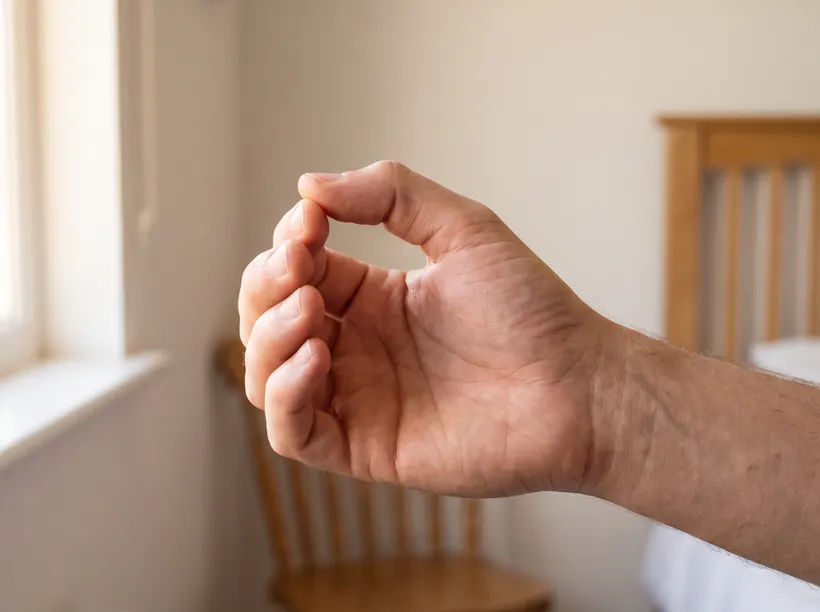
Tactile cues can be simple and effective because you can reproduce them both awake and in a dream. Pick a single, unmistakable action you can perform many times a day: press thumb to index finger with firm pressure, rub your palm in a small circular motion, or squeeze the web between thumb and index. Each time you do it, perform a reality check and ask, "Am I dreaming?" Over days this builds an association so the same sensation in a dream may trigger doubt.

During a Wake Back to Bed session, you can repeat the touch 10 to 20 times before falling back asleep to help seed that association into subsequent REM sleep. Keep pressure low and brief so the cue is subtle rather than startling. It took me a few weeks to find the right pressure; too hard and I woke up, too light and the feeling vanished.

Auditory cues

You don't need gadgets to make an auditory signature. Choose a short sound you can produce with your voice, a soft whistle, or a one-word mantra you whisper before reality checks. Repeat that sound while doing reality checks all day and again before sleep. The idea is to condition the sound to mean "test reality."

Natural household sounds can work too: the tick of a wall clock, rain on a window, or a particular creak in the house. Subtle stimuli are more likely to be woven into dreams than loud interruptions, so favor quiet, distinctive sounds. I personally prefer a barely audible hum; it blends in and doesn't wake me.

Visual cues

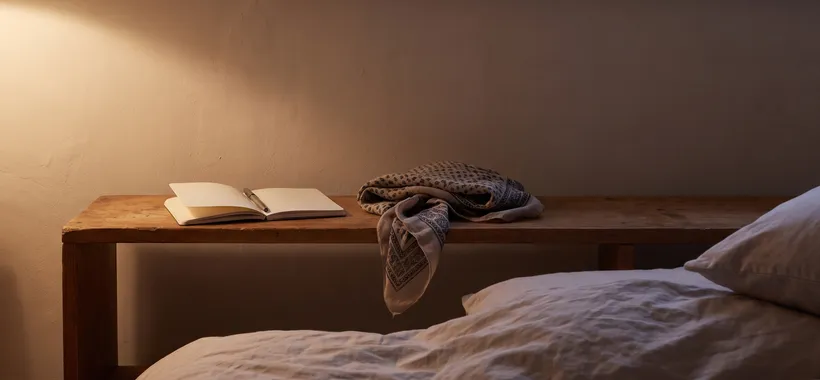
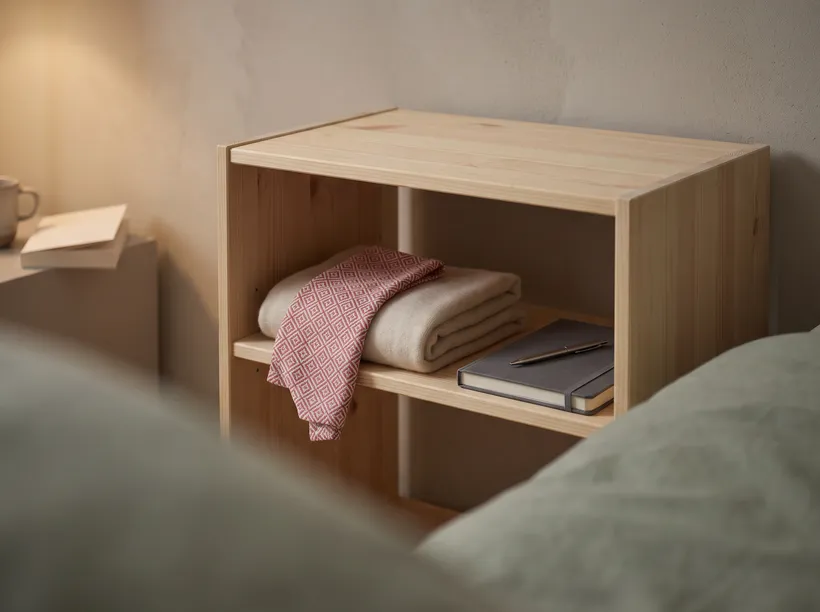
Visual cues rely on distinct imagery you both see and imagine. Place a small object with a unique pattern on your nightstand or drape a patterned cloth across your pillow. Look at it while doing reality checks and rehearse imagining that object right before sleep. You can also train a specific mental image, like a red circle or a floating feather, by visualizing it repeatedly during the day and pairing it with reality testing.

Visual cues may become dream characters or landmarks, which gives your reflective mind something to latch onto. Once, a strip of patterned fabric from my room showed up in a dream as a shop sign, and that odd familiarity made me do a reality test.

Olfactory cues

Smell is powerful because scents are tightly linked to memory and emotion; research suggests olfactory cues can be incorporated into dream content with lower rates of awakening than some other stimulus types, though individual sensitivity varies. Dab a tiny amount of a distinct scent onto a cotton ball or a scarf you sleep near. During the day, smell it while doing reality checks and before bed use a MILD-style intention, imagining recognizing the scent inside a dream. Use low concentrations, avoid allergens, and never apply undiluted oils to skin. If you have asthma, allergies, are pregnant, or have respiratory sensitivities, consult a healthcare provider before using essential oils or strong scents. Do not ingest essential oils.

Combining cues and practical tips

Combining modalities may strengthen the association. For example, press your fingers together while inhaling a specific scent and saying your mantra. Repeat this pairing across days and during a Wake Back to Bed window to increase the chance of incorporation into REM.

Keep cues subtle, pair them consistently with reality checks, keep a dream journal, and remember results vary. My tea candle often turns into a lamp in dreams that seems to whisper, "test." That kind of odd, familiar shift is exactly the doorway you want.

Designing Personal Cues: Make Them Yours

If you want a cue to work, make it personally meaningful. My most consistent improvements came after I stopped copying generic prompts and instead tied cues to my own dream signs and daytime rituals. Personalization uses emotional salience and familiarity to increase the likelihood that a cue will be recognized within a dream. Pair a sensory cue with a deliberate reality check or intention rehearsal to strengthen the prospective memory link.

Keep cues simple and repeatable. Choose a single, short stimulus and rehearse it during the day while performing a reality test or repeating a lucid intention phrase. This is essentially MILD in action - an evidence-backed practice that may help some people. Consider how the cue might manifest in dream imagery and whether that representation will likely trigger a moment of doubt.

Plan for adaptability. You may need to tweak intensity, timing, or modality as you learn. Track what you try in your dream journal and note how cues appeared, whether they woke you, and whether they led to awareness. Iterative design beats one-size-fits-all advice.

Design principles for personal cues

Designing a cue is part craft, part experiment. Choose something simple, repeatable, and meaningful to you. Salience matters. A cue that evokes curiosity or mild surprise is more likely to trigger the reflective thought pattern that leads to lucidity. Keep intensity low so it is woven into dreams rather than jolting you awake. Pair every cue with a reality check and intention. Over time the cue becomes a bookmark you can follow back to awareness. Some people find quick success; others need weeks or months of gentle rehearsal.

Step-by-step: create and test a cue

  1. Pick one modality and one specific action or object. Limit complexity so the brain can form a clear association.
  2. Condition the cue during the day. Each time you perform it, do a reality check and say a short phrase like, "Am I dreaming?" Rehearse this 20 to 50 times across several days (adjust the amount to what feels sustainable; some people need more repetitions).
  3. Seed it before sleep. During a short Wake Back to Bed session, repeat the cue and intention for several minutes, using MILD-style visualization of recognizing the cue in a dream. REM periods tend to lengthen later in the night, so timing may help.
  4. Track outcomes in your dream journal. Note when the cue appears in dreams, how it is represented, and whether it prompted testing or lucidity. Adjust intensity if it wakes you.

Examples you can craft tonight

Tactile. Press thumb to index finger with firm but gentle pressure. Do this during daytime reality checks and again before sleep. The feeling is relatively easy to reproduce in dreams.
Auditory. Choose a soft one-syllable tone or whisper a syllable before checks. Repeat quietly; loud sounds risk awakening you. Household sounds like rain or a clock tick can serve if they are consistent.
Visual. Place a small patterned cloth on your pillow. Look at it while testing reality and imagine encountering it in a dream. Visual cues often become landmarks or characters.
Olfactory. Dab a tiny amount of a distinct scent on a scarf near your pillow. Smell it when doing reality checks and before sleep. Use low concentration, avoid allergens, and never apply undiluted oils to skin. If you have respiratory issues, pregnancy, or other sensitivities, consult a healthcare provider.
Interoceptive. Pair a brief breath pattern or a small throat hum with reality checks. Internal sensations are intimate and can be rehearsed without props.

Refine and troubleshoot

If a cue wakes you, lower intensity or switch modalities. If you never see it in dreams, increase daytime rehearsal and use a short Wake Back to Bed session, but don't sacrifice total sleep. Combine two cues for a stronger association, for example scent plus finger press. Keep expectations modest. Research suggests these methods can help some people, but individual variation is large. Be patient and treat the process as an inquiry into your own consciousness rather than a guaranteed trick.

Folding Cues into Your Sleep Routine Without Disruption

I used to set up elaborate rituals that backfired because they interrupted my sleep. Over time I learned subtlety and timing are everything. Weave cues into established routines like dream journaling, daytime reality checks, and a short pre-sleep intention-setting, and the practice becomes sustainable. Wake Back to Bed can amplify cue effectiveness when used sparingly, because later REM periods are longer and often richer in vivid dreams.

Timing matters because of sleep architecture. REM cycles come roughly every 90 minutes and lengthen toward morning in many people, so cues placed or rehearsed before longer REM windows may be more likely to be integrated. Still, don't sacrifice sleep quality. Limit WBTB use and avoid frequent night awakenings. For many people, daytime conditioning plus light night cues is the lower-risk path to improvement.

This section outlines step-by-step ways to weave cues into your habits, when to rehearse them, how to use naps as low-cost experiments, and safety reminders for people with sleep disorders. The goal is a sustainable routine that supports dream recall and lucidity without becoming a sleep problem.

Incorporating cues into your sleep routine

Think of cues as tiny invitations to your dreaming mind. The trick is to make them familiar rather than foreign. Start with one cue you can reproduce easily; doing too many scatters attention.

Begin with daytime conditioning. Each time you perform your chosen reality check, pair it with the cue. If the cue is a fingertip press, do it while looking at your hands and asking, "Am I dreaming?" Repeat this pairing 20 to 50 times across several days. Consistency builds the prospective memory link that research suggests helps with lucidity.

Seed the cue before sleep. In your pre-sleep routine, use a brief MILD-style rehearsal: imagine recognizing the cue inside a dream and set a simple intention like, "Tonight, when I feel this, I will test reality." Keep it gentle and short. If you use a scent, a tiny dab on a scarf by your pillow is enough. If you use a sound, make it very soft so it will be woven into dreams instead of waking you.

Use Wake Back to Bed strategically rather than frequently. Set an alarm for about 4.5 to 6 hours after you sleep, stay awake 10 to 30 minutes, and then return to bed while rehearsing the cue. This timing may increase the chance that the cue arrives during a REM-rich window. Don't make WBTB a nightly habit if it harms your overall sleep.

Keep intensity low and iterate. If a cue wakes you, reduce concentration or switch modalities. Combine cues for robustness: press your fingers while smelling your scent and whispering your one-word mantra. That multisensory pairing often creates a stronger association than a single stimulus alone.

Journal and evaluate. Record which cues appeared in dreams, how they were represented, whether they prompted a reality check, and whether sleep quality changed. Patterns emerge faster when you track them.

A few safety notes. Never sacrifice total sleep time for practice. People with sleep disorders, significant anxiety, or other medical issues should consult a healthcare provider before trying techniques that disrupt sleep. Treat this as a curious exploration of consciousness rather than a guaranteed shortcut. Small, thoughtful changes over time usually yield the best results.

Troubleshooting and Advanced Variations for Persistent Practice

I hit plateaus where cues stopped seeming to work, and learning to troubleshoot rescued my practice. Common issues include cues that are too strong and wake you, cues that are too weak to register in dreams, and mis-timed cues that miss REM windows. Start with intensity adjustments, then refine timing and contextual pairing. Often the fix is simpler than you think: lower the volume or pressure, or pair the cue with a clearer daytime intention.

Once the basics are stable, you can try advanced variations. Layering modalities (for example, a faint touch plus a familiar scent) can increase salience without jolting you awake. Chaining cues to specific dream signs adds precision. Some practitioners experiment with interoceptive anchors like a distinct breathing rhythm or deliberate muscle tension before sleep, using that internal sensation as a cueable state. Evidence for advanced strategies is limited and often anecdotal, so proceed with curiosity and caution.

Throughout troubleshooting, keep clear records of what you try and how dream content responds. Results vary, but careful experimentation plus sound sleep hygiene will expand your toolbox for non-gadget lucid cueing.

Troubleshooting common problems

If your cue never appears in dreams, don't panic. Increase daytime conditioning. Try 30 to 60 paired repetitions across the day: perform your reality check, trigger the cue, and say your intention. Use a short Wake Back to Bed session (about 4.5 to 6 hours after sleep) and rehearse the cue for 10 to 20 minutes before returning to sleep. Naps can be useful low-risk experiments since longer naps often include REM, though short naps may not - timing and individual differences matter.

If cues wake you instead of slipping into dreams, reduce intensity. Move a scent from your pillow to a scarf on the nightstand, dilute the essential oil, lower the volume of an auditory cue to a whisper, or soften the pressure of a tactile cue. If you still wake, switch modalities. Some people are sound-sensitive but respond well to smell or touch.

If you get false awakenings or the cue appears but doesn't trigger testing, make your reality test more habit-like. Choose a quick, repeatable test (for example, press thumb to finger and count fingers) and rehearse it hundreds of times in waking life. Link the cue to an emotional micro-habit, such as smiling or a one-word mantra, to strengthen prospective memory.

If practice causes sleep fragmentation or anxiety, stop or scale back. Don't sacrifice total sleep. WBTB can be effective but should be used sparingly. If you have insomnia or another sleep disorder, consult a healthcare provider before experimenting.

Advanced variations to experiment with

Combine modalities for robustness. Example: press fingertips while inhaling a faint scent and whispering a one-syllable cue. The multisensory pattern may be more likely to be woven into a dream than a single stimulus.

Try context-specific cues. Condition a cue to a specific dream sign. If you often dream about water, pair your cue with images of water during rehearsal so the cue becomes linked to that motif. This raises the chance that the cue will surface in the dream context you already experience.

Sequence cues across the night. Use a softer cue early in sleep and a slightly stronger version after a Wake Back to Bed window. The brain's responsiveness changes across REM cycles, so stagger intensity rather than blasting one fixed stimulus.

Micro-MILD and lucid anchors. As soon as a cue triggers even partial doubt, perform a small anchor ritual (touch your palm, say your name, stabilize the scene) to turn recognition into sustained lucidity. Practice that tiny ritual in waking life so it becomes automatic.

WILD caution. If you explore wake-initiated lucid entry, learn about sleep paralysis and how to respond; WILD is an advanced technique and can be unsettling for some people. If you have a history of significant mental health issues, anxiety, or trauma, consult a healthcare provider before attempting advanced methods.

Keep a short log each morning tracking which cues appeared, sleep timing, and whether lucidity followed. Iteration, patience, and curiosity are your best tools.

Your Next Steps

We covered why subtle sensory design can open a doorway to lucidity: REM sleep still processes some external input, conditioning and prospective memory help, and techniques like MILD may prime your mind to notice dream cues. Practical options include tactile actions (thumb to finger), soft auditory signatures, distinct visual objects, low-concentration scents, and interoceptive anchors. Timing matters because REM cycles run in roughly 90-minute loops and tend to lengthen later in the night, so pairing cues with intention and rehearsal may increase the chance they'll be woven into dream content.

My core recommendation is simple. Pick one cue and personalize it. Rehearse that cue during the day while doing a reality check, use a brief MILD-style intention before sleep, keep the stimulus low intensity so it blends into dreams rather than jolting you awake, and track everything in a dream journal. A single Wake Back to Bed session (about 4.5 to 6 hours after sleep) may help seed the cue into REM, but use WBTB sparingly and never at the expense of overall sleep quality. Patience beats frantic experimentation.

Here is a compact plan you can try tonight. Choose the modality that feels easiest (tactile, olfactory, visual, auditory, or interoceptive). Do 20 to 50 paired repetitions across the day: trigger the cue, perform your reality check, and say a short intention like, "When I feel this, I will test reality." Before bed, spend a few minutes visualizing the cue appearing in a dream and set a brief intention. If you try a Wake Back to Bed session, limit it to a single session and return to sleep while rehearsing the cue. Each morning, log whether the cue appeared, how it showed up, and whether it prompted testing.

Run a two-week experiment, logging each morning, and adjust intensity, timing, or modality from your notes. Share your observations with the community or in the comments so others can learn from what worked and what didn't. Above all, treat this as an inquiry into your own awareness: be curious, patient, and kind to your sleep. Consistent, thoughtful practice can reveal surprising handholds into lucidity.